Chinese carving,
handled with care.
CarvZen connects buyers with Chinese cultural carvings produced in Fujian and Wenzhou. Our work is grounded in a family background in wood carving and a decade of cross-border experience.
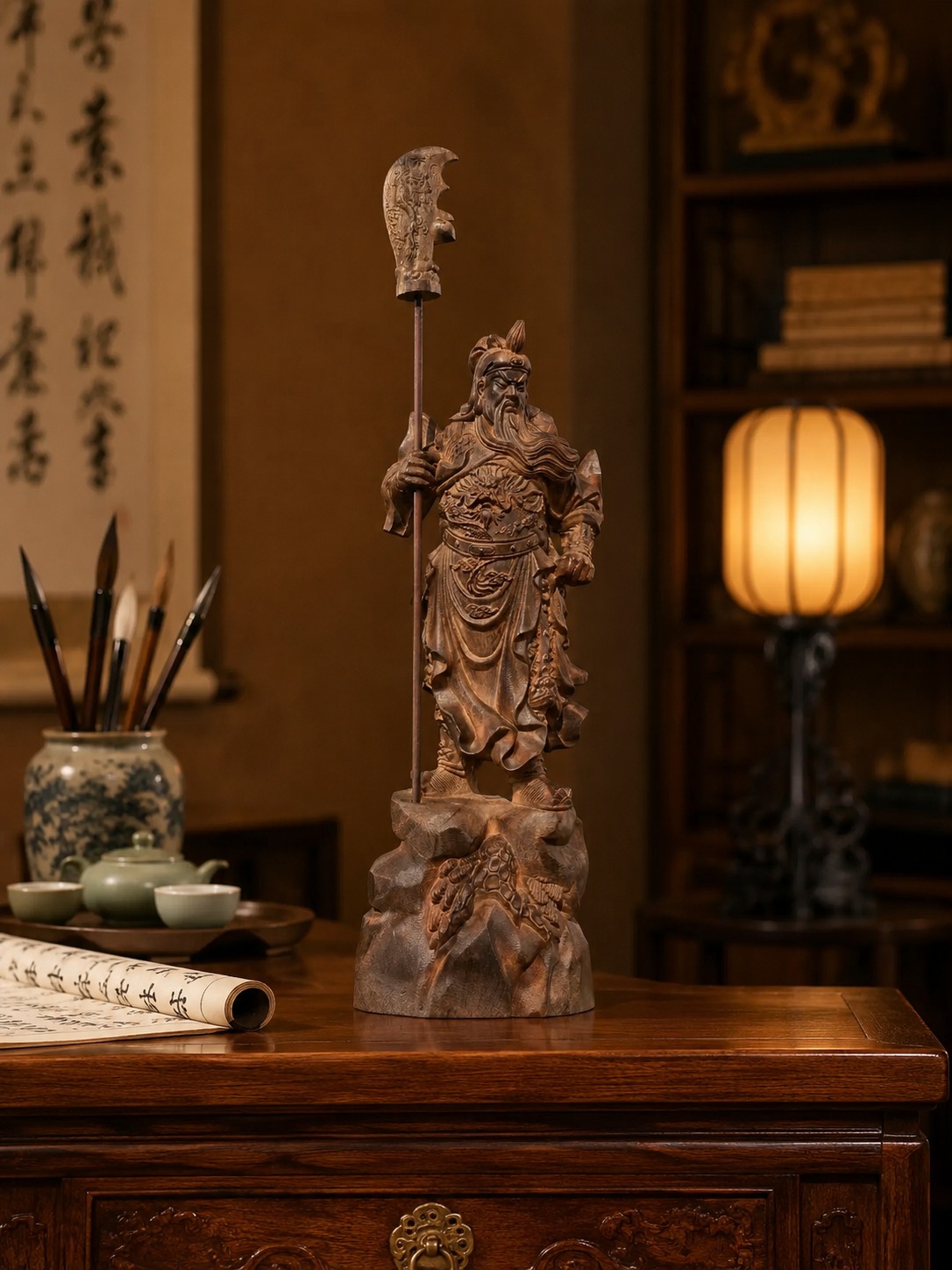
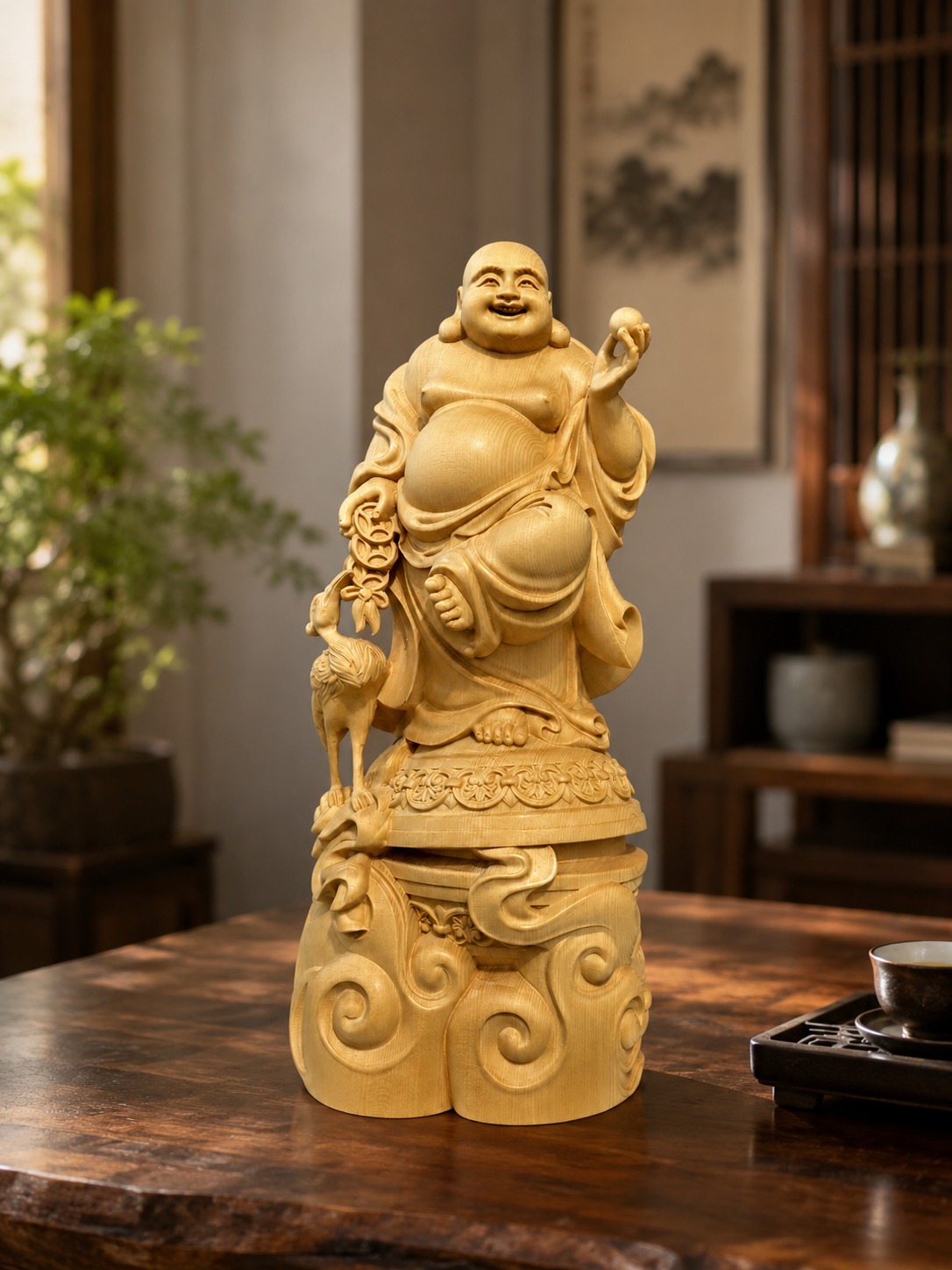
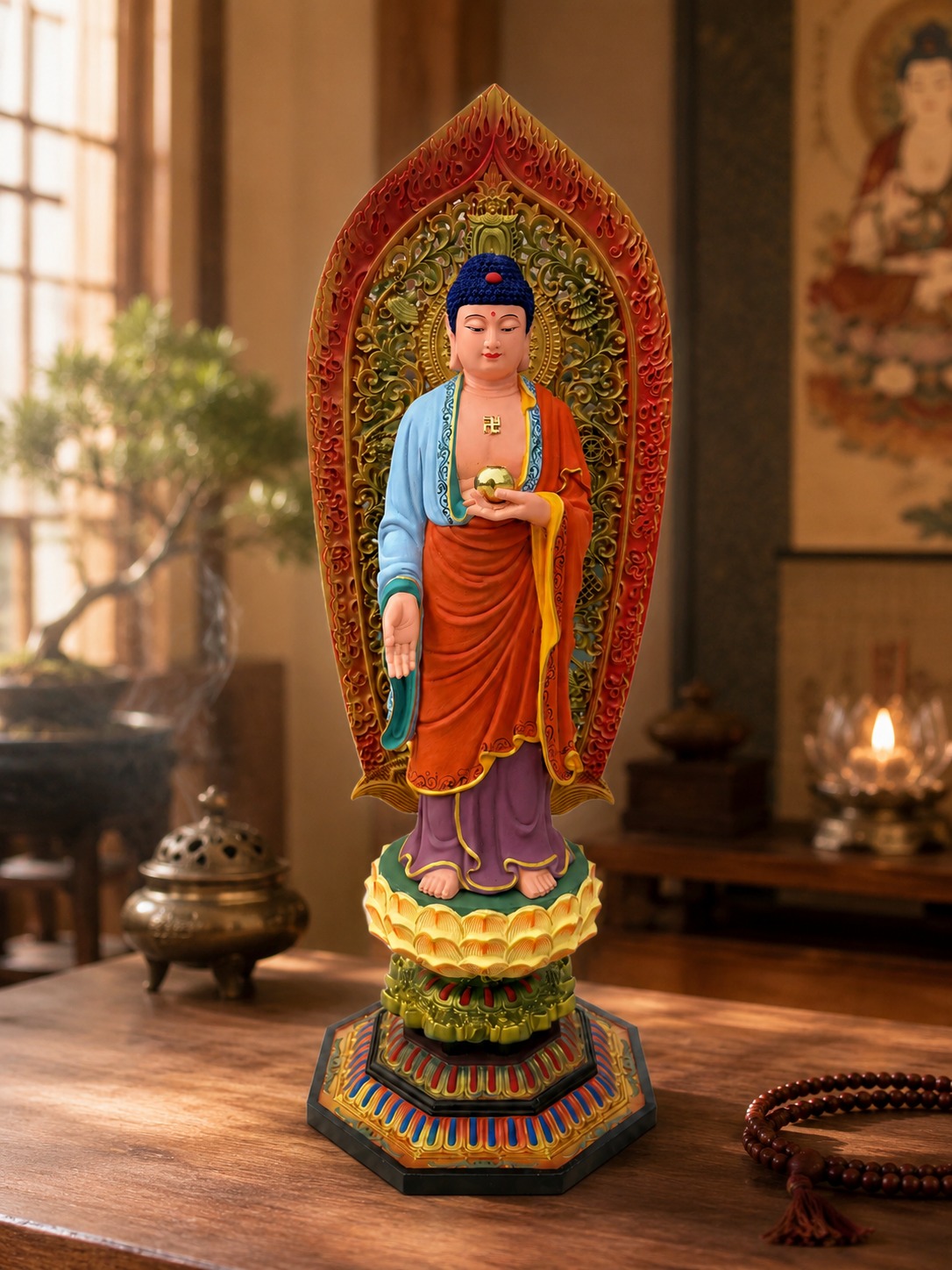
A direct, practical way to fulfil each order.
CarvZen does not keep long-term inventory for every product. After an order is placed, the item is collected from the production source, checked, packed and prepared for international dispatch.
- Production sources are located in Fujian and Wenzhou.
- The ordered item is collected after purchase.
- The item and its packaging are checked before shipment.
- Orders are normally dispatched within 3–5 days.
Describe the piece.
Do not invent the story.
The goal is straightforward: give buyers useful information about material, production and fulfilment without fictional quotes, buyer stories or promised cultural outcomes.
Wood, unless more is verified.
When the exact species has not been confirmed for a product, we describe the material simply as Wood.
Mixed production, stated clearly.
Some pieces begin as machine-roughed blanks, followed by hand carving, sanding and painted finishing. We do not label every product as fully hand-carved.
Checked before dispatch.
Each item and its packaging are checked before shipment, with attention given to secure packing for the outbound journey.
Four clear steps.
The fulfilment model is designed around sourcing the ordered piece, checking it and getting it ready to leave China within the stated handling window.
The selected product and order details are confirmed.
The item is collected from the production source rather than drawn from permanent stock for every listing.
The item and its packaging are checked before shipment.
Orders are normally dispatched within 3–5 days.
Included where service is available
Shipping is included for destinations CarvZen is able to serve. Some risk destinations are excluded.
Refund or replacement
If an item is damaged in transit or an incorrect item is received, CarvZen offers a refund or replacement after verification.
Find the figure
that speaks to you.
Browse the current collection or read the cultural guides behind the figures, symbols and traditions represented in Chinese carving.