The first time we encountered a pixiu statue up close was in a small carving workshop. The carver placed it in our hands without a word, turned it over to show the underside, and waited. One piece of wood, one animal, one intention: bring wealth in and keep it. That is what a pixiu is commonly believed to do, and it is why, centuries after this winged guardian beast first appeared in Chinese art, people still place one on their desk.
This guide covers what a pixiu statue actually is, what each pose and material commonly represents, where to place it according to widely used feng shui conventions, and what to look for before buying one.
What Is a Pixiu?
Pixiu (貔貅, sometimes written “Pi Yao” or “Pi Xiu”) is a mythical creature from Chinese tradition. It has the head of a Chinese dragon, the body of a lion, hooves, and a pair of small wings. Pixiu and related winged guardian beasts have deep roots in Chinese visual culture, with comparable bixie forms appearing in Han and Six Dynasties art — you can find examples in the collections of major museums, where they are catalogued as tomb guardians and auspicious creatures.
The popular legend says pixiu was the ninth son of the Dragon King. He offended the Jade Emperor and, as punishment, was sealed so that anything he swallowed could never leave his body. Gold, silver, jewels: all in, nothing out. For a merchant, a gambler, or anyone whose income is irregular, that story became a promise. Pixiu imagery is widely associated with wealth protection and is commonly used in homes, shops, and business settings.
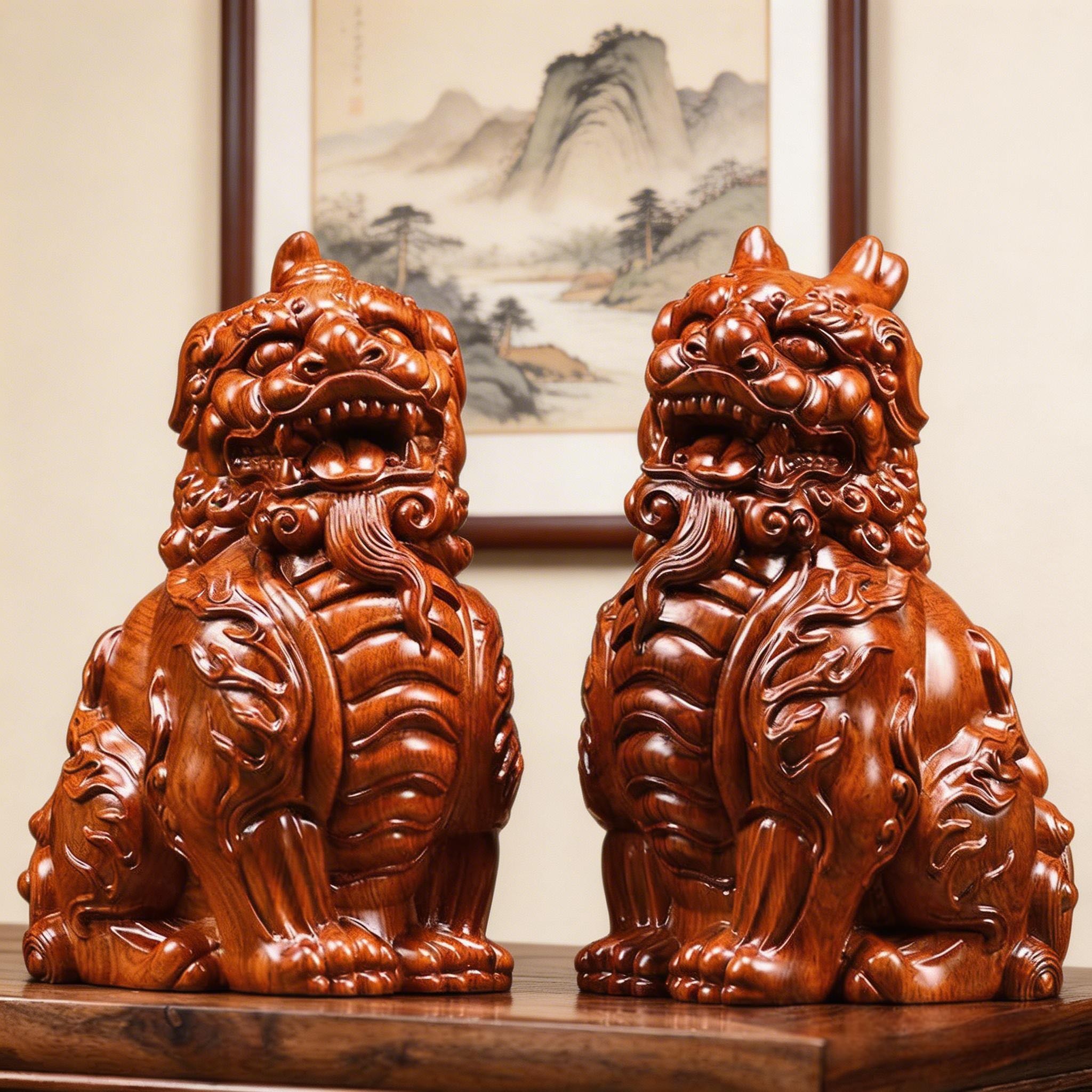
There are two things worth knowing about the form itself. First, many contemporary pixiu carvings favor an open mouth, which is commonly associated with attracting and holding wealth. Second, you will see two main body types in the market: the sitting (crouched) pixiu and the walking pixiu. The sitting form is often described as the guardian posture, typically placed at home. The walking form is described as the active hunter posture, typically placed in a shop or office.
The Meaning and Symbolism
Most English-language articles stop at “pixiu brings wealth.” In practice, Chinese feng shui tradition attributes five distinct functions to a pixiu, and they matter because they can change where you put it.
- Zhāo cái (招财) — attracting wealth. The primary association. Pixiu is believed to draw money, opportunity, and good fortune toward its owner.
- Shǒu cái (守财) — guarding wealth you already have. Because nothing leaves its body in the legend, pixiu is also used as a defensive symbol.
- Bì xié (辟邪) — warding off negative energy. The dragon-lion hybrid is a protector figure. In older homes it is sometimes placed at the entrance facing out.
- Zhuǎn yùn (转运) — turning luck around. Often recommended when someone is going through a rough stretch.
- Hù zhǔ (护主) — protecting its owner. The relationship between a pixiu and its owner is traditionally personal, which is why many feng shui teachers advise against letting other people touch your pixiu.
If you remember one thing from this section, remember this: a pixiu is not a generic lucky charm. In feng shui tradition it is an animal with a job, and the job is specifically about money flowing in and being kept.
Materials: What to Look For
This is the section where most buyer guides get lazy. They list “jade, wood, obsidian, metal” and move on. But the material genuinely changes how the statue ages, how it feels in daily use, and what you should pay for it.
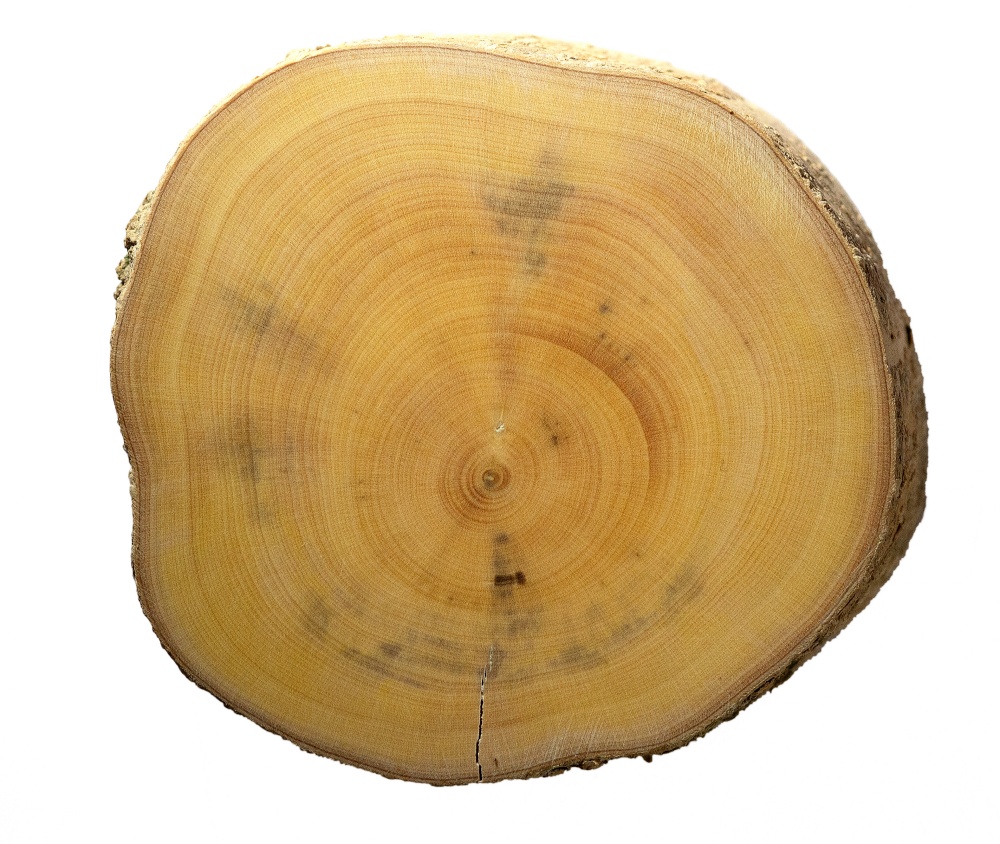
Wood. Wood pixiu are warm and personal. A good wood carving shows subtle tool marks where the carver’s hand worked the surface, and the best wood species for fine detail are dense, tight-grained, and slow to crack.
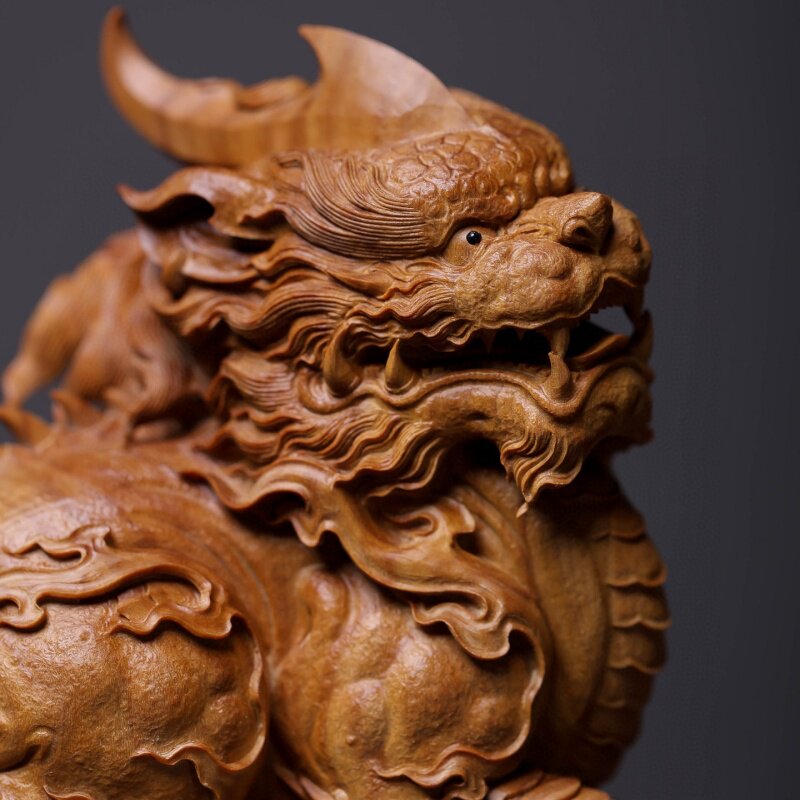
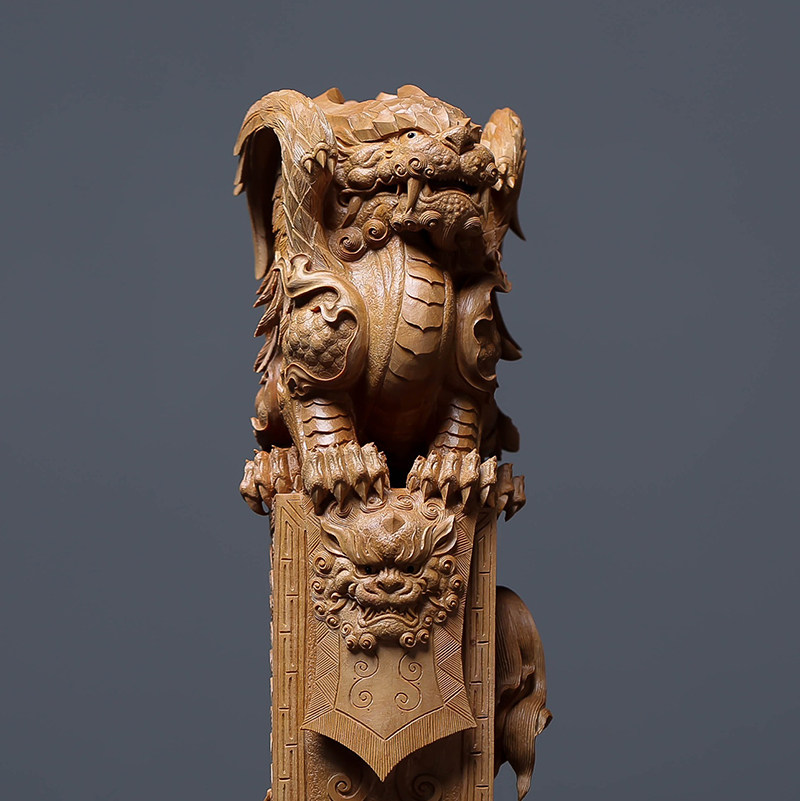
The piece we currently offer is carved from boxwood — a dense hardwood from the Buxus genus (commonly Buxus sinica or Buxus microphylla in East Asia), a material that has been used for centuries in miniature carving. Boxwood is one of the traditional woods behind Japanese netsuke and Ming–Qing scholar’s-desk objects, and it holds the kind of fine detail a pixiu face needs: defined tusks, clean eye sockets, crisp wing feathers. Fresh boxwood is a pale honey-yellow that slowly darkens to a deeper amber with age and handling, which is part of why owners who like a “lived-in” piece tend to favor it. Because boxwood trees grow slowly and stay small, large blocks are rare, which is also why boxwood pieces are typically sized for the hand and the desk rather than the floor.
We also work with other traditional carving woods on occasion, such as sandalwood, depending on what each workshop has on hand. Wood is a common choice for personal desk-size pixiu because it’s light enough to move and warm to the touch.
Jade. Jade pixiu are a traditional feng shui choice. In the trade, however, the word “jade” is sometimes used loosely. Gemological sources such as the GIA distinguish true jade as jadeite or nephrite, while other materials — serpentine, for example — may also be marketed as jade in some contexts. If you are buying a jade pixiu, ask the seller specifically whether the stone is nephrite or jadeite, and expect a real answer.
Black obsidian. A modern favorite, especially for bracelets. Obsidian is commonly associated with protection and clearing negative energy. Good-quality obsidian has a glassy surface and a slight translucence at thin edges when held to light.
Metal (brass or bronze). Traditional for shop entrances and lobby installations. Heavy, durable, and usually larger. If you want something dramatic and you have floor space, this is the choice.
A practical rule: the material should match where you’re putting it. Wood or jade for a personal desk, obsidian for a bracelet, brass for a shop entrance.
How to Place a Pixiu (Feng Shui Rules)
Placement is where people either take this seriously or treat it as decoration. If you are going to own one, it is worth spending a few minutes on placement — it doesn’t cost anything, and in feng shui tradition it is the entire point.
Face it toward a door or window, not toward yourself. A pixiu is traditionally described as a hunter that needs to “see” wealth coming in from outside. The standard placement is on a desk or shelf with the head angled toward the nearest door or window.
Avoid pointing it at your bed. The energy is considered active and outward, which is said to disturb sleep. The same guideline applies to pointing it directly at a person’s seat.
Avoid placing it opposite a mirror. Mirrors are believed to reflect the energy back, which in feng shui terms is said to cancel or reverse it.
Keep it higher than your waist but lower than your head. Eye-level is often recommended. A pixiu on the floor is considered disrespected; a pixiu above head height is considered out of reach of its owner’s energy.
Avoid bathrooms, kitchens, and spots directly under a ceiling beam. Bathrooms and kitchens are associated with draining energy in feng shui. A beam overhead is said to create pressure, sometimes called “beam sha.”
One more thing people ask about: opening the eyes (kāi guāng, 开光). Traditionally a pixiu is “activated” by a temple ceremony in which a monk touches its eyes with cinnabar or tea. Some owners prefer a temple blessing, while many modern buyers treat activation as a personal ritual of placement and care. If it matters to you, ask the seller what they do before shipping.
How to Care for Your Pixiu
A wood or jade pixiu is a living object in the sense that it responds to being used. Here is what we tell first-time owners.
Wipe it once a week with a soft dry cloth. For wood, avoid water and oil polish — the natural fragrance and patina come from contact with your hand, not from product. Touch the head and back of the pixiu when you sit down to work. This is the traditional “petting” gesture and it is how the statue comes to feel worn-in.
It is also traditional to keep your pixiu away from other people’s handling. The tradition is that a pixiu bonds with its owner, and another person’s energy is said to confuse that bond. When you are away for a while — traveling, moving — some owners cover it with a red cloth, which is associated with protection and is said to let the pixiu “rest.”
Buying Guide: What We Check Before Shipping
This is the part of the article where a sourcer’s perspective matters most. These are the things we look at when a piece comes into our workshop and before we decide whether it goes to a customer.
One-piece carving, no seams. Turn the statue over and look at the belly and the base. A pixiu carved from a single block of wood shows continuous grain. An assembled piece usually has a visible joint line — often around the legs or the base — and in dry climates those joints are more likely to crack over time.
Face symmetry. Both eyes should sit at the same height, both tusks the same length, the nostrils even. Asymmetric faces can be a sign the carver rushed. This is one of the fastest ways to spot a lower-grade piece.
Open mouth with visible teeth. As noted earlier, most contemporary pixiu carvings favor an open mouth with visible tusks.
Weight consistent with the material. A wood pixiu should feel solid but not unnaturally heavy. Unusually heavy weight, plastic-like surface sheen, or grain that looks inconsistent with the stated wood species can be warning signs worth checking more closely.
Flat, stable base. It should sit on a desk without rocking. Hand-carved bases are not perfectly machined, but they should be flat enough to stand steady on their own.
Frequently Asked Questions
Can I wear a pixiu bracelet instead of owning a statue?
Yes, and many people own both. Bracelet conventions are slightly different — it is traditionally worn on the left hand, with the pixiu head pointing outward, away from the body. We cover bracelets in detail in a separate guide.
Is it okay to own more than one pixiu?
Traditional feng shui commonly recommends pairs. A pair of pixiu is sometimes described as a couple and considered stronger than a single statue. More than two is generally avoided in popular practice.
I’m not Chinese — is it disrespectful to own one?
No. Pixiu is a cultural and artistic symbol, and Chinese artisans have made them for foreign buyers for a long time. What matters is treating it with basic respect — thoughtful placement, not as a novelty decoration.
Do I need to have it blessed at a temple?
Not necessarily. Some owners prefer a temple blessing; others treat activation as a personal ritual of placement and care. If a traditional blessing matters to you, most Buddhist or Taoist temples that sell ritual items can arrange one.
How do I know if my pixiu is “working”?
An honest answer: a ritual object works in large part by reminding you of your intention. Owners who take placement and daily care seriously tend to be the ones who also think more carefully about their money decisions. Take that as you will.
What’s the difference between pixiu and a fu dog?
Fu dogs (shi) are temple guardians, usually in pairs, usually placed outside a building. Pixiu is a wealth creature, often single, usually placed inside near a desk or a cash register. Different roles in the tradition.
Final Thoughts
A pixiu statue is one of those objects that only does as much as you let it do. Place it well, touch it when you sit down to work, keep it as your own, and it becomes a small daily ritual around your relationship with money. Leave it in a drawer, and it’s a piece of wood.
If you want to see the piece we currently have in the workshop, the product page is here. If you want to understand why we started sourcing these in the first place, our about page tells that story.
About this guide: This guide is written by our sourcing team. We work directly with small, family-run carving workshops and inspect every piece by hand before it ships. On this blog we share what we learn about the objects we sell, the artisans who make them, and the traditions they come from.