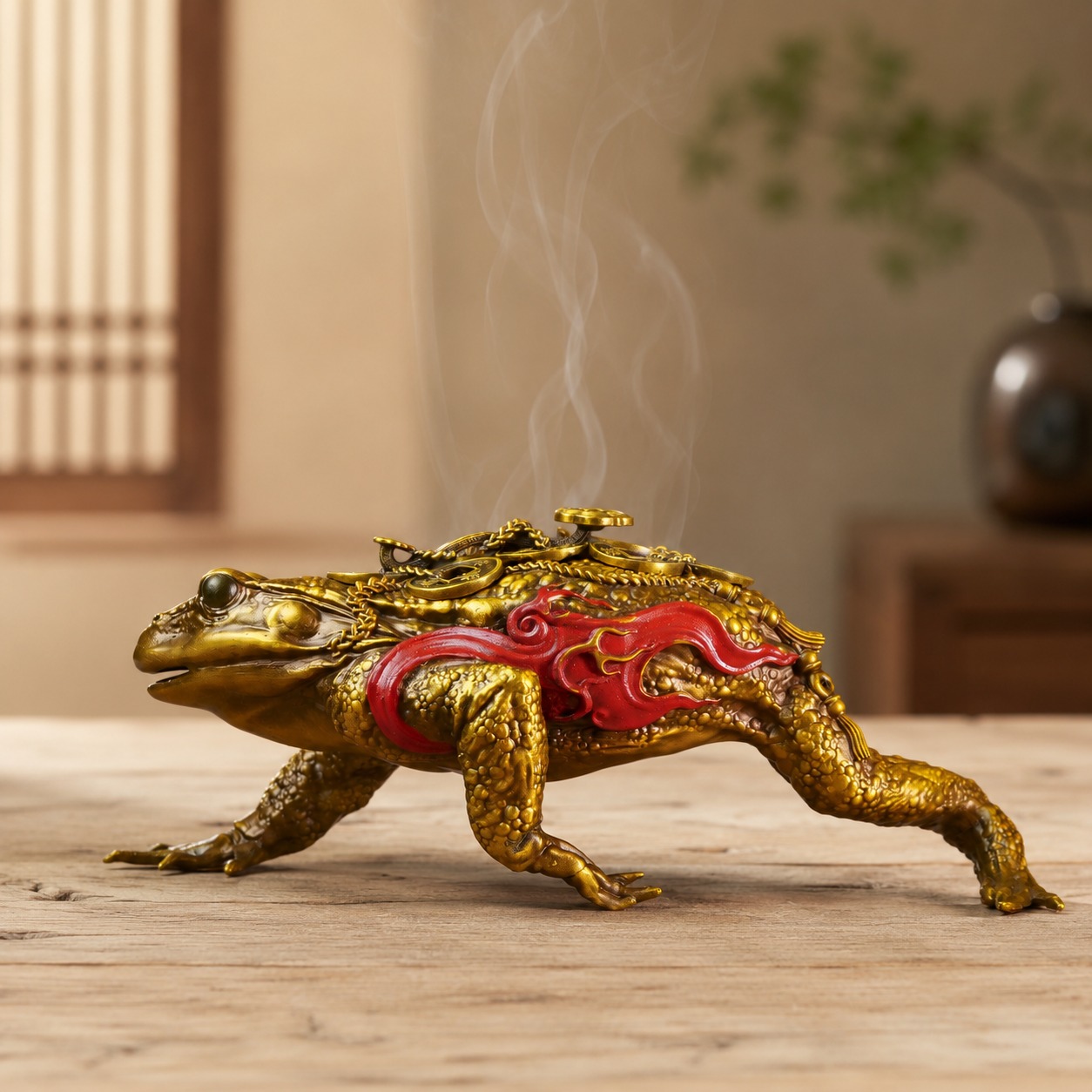
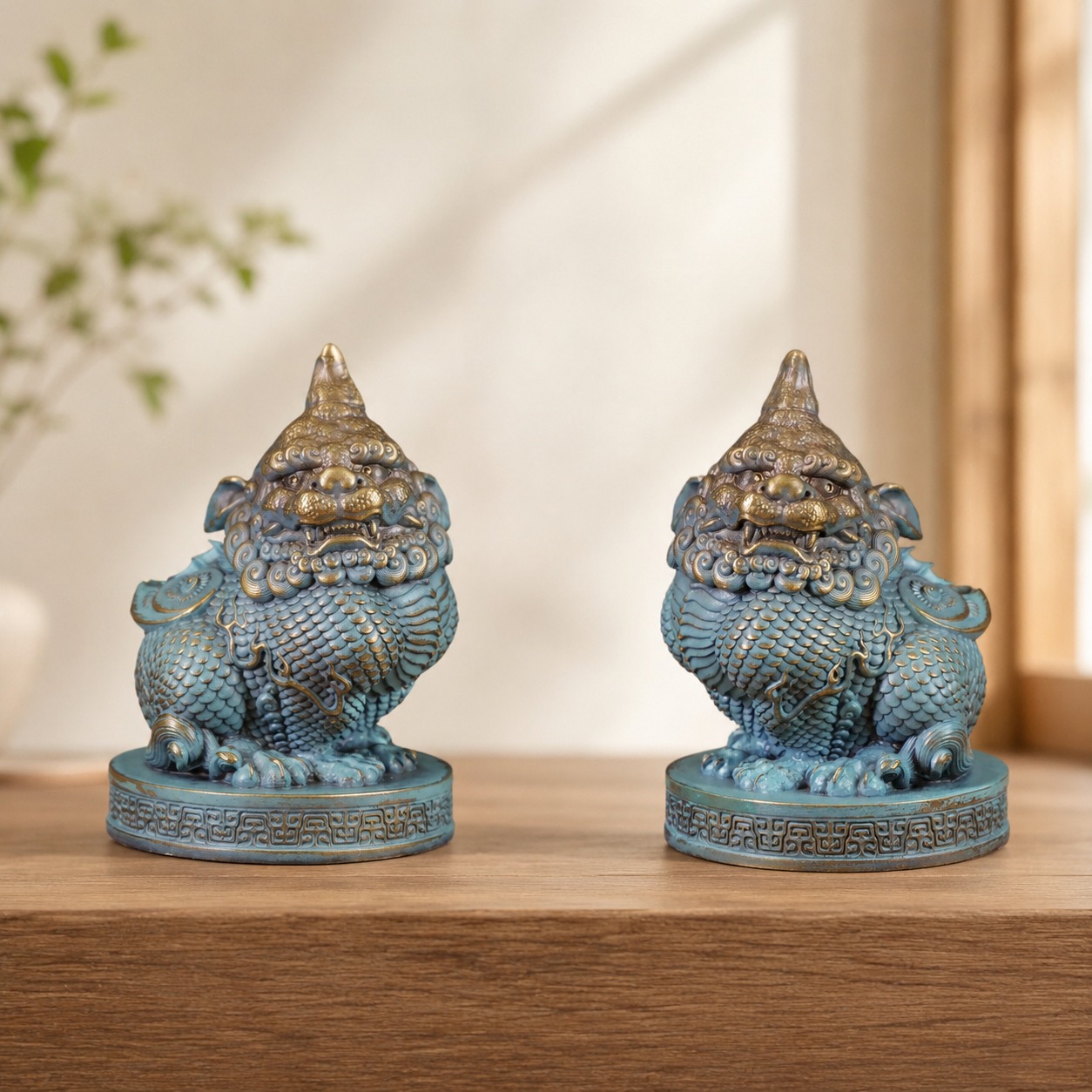
Money Frog vs. Pixiu: Meanings and Visible Differences
The Money Frog and Pixiu are different figures with different documented backgrounds. Museum sources connect the toad with the Daoist immortal Liu Hai, while Pixiu appears as a mythical tomb guardian. Modern prosperity associations belong to later interpretation and do not turn either object into a promised financial result.
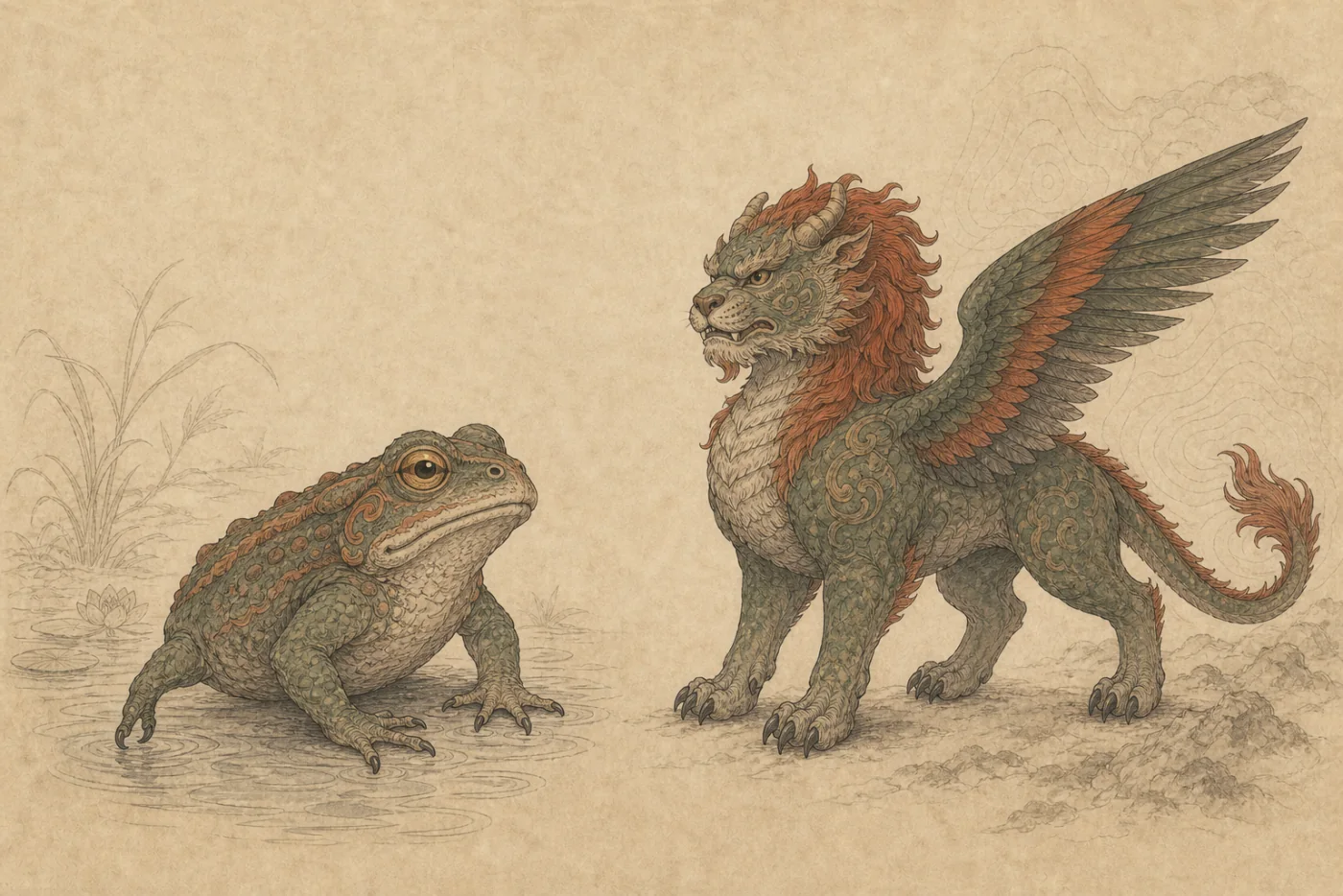
A Money Frog is based on the toad associated with the Daoist immortal Liu Hai in later Chinese visual culture. Pixiu is a different mythical beast documented as a tomb guardian. Modern custom often connects both figures with prosperity, but that shared association does not make them interchangeable and does not establish a financial effect.
Direct comparison
- Money Frog: a toad figure connected with Liu Hai; museum sources describe the toad as a popular symbol of good fortune.
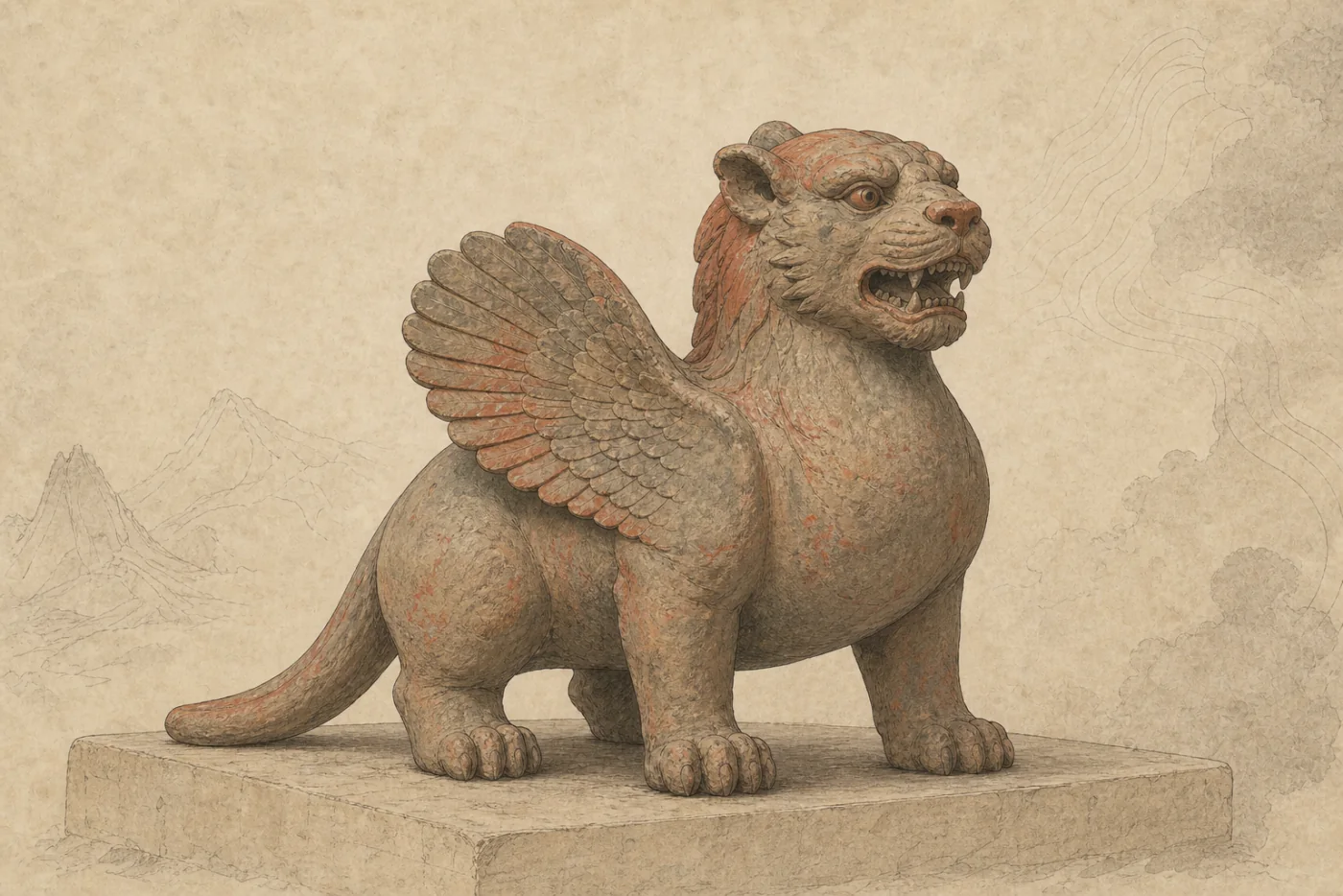
- Pixiu: a mythical guardian beast; a museum example is winged and has a tiger- or lion-like face.
- Shared modern context: both can appear in prosperity-related custom, but those meanings are cultural interpretations.
- Buying question: choose from the actual subject, visible form, verified scale and finish—not from a promised result.
The Money Frog and Liu Hai
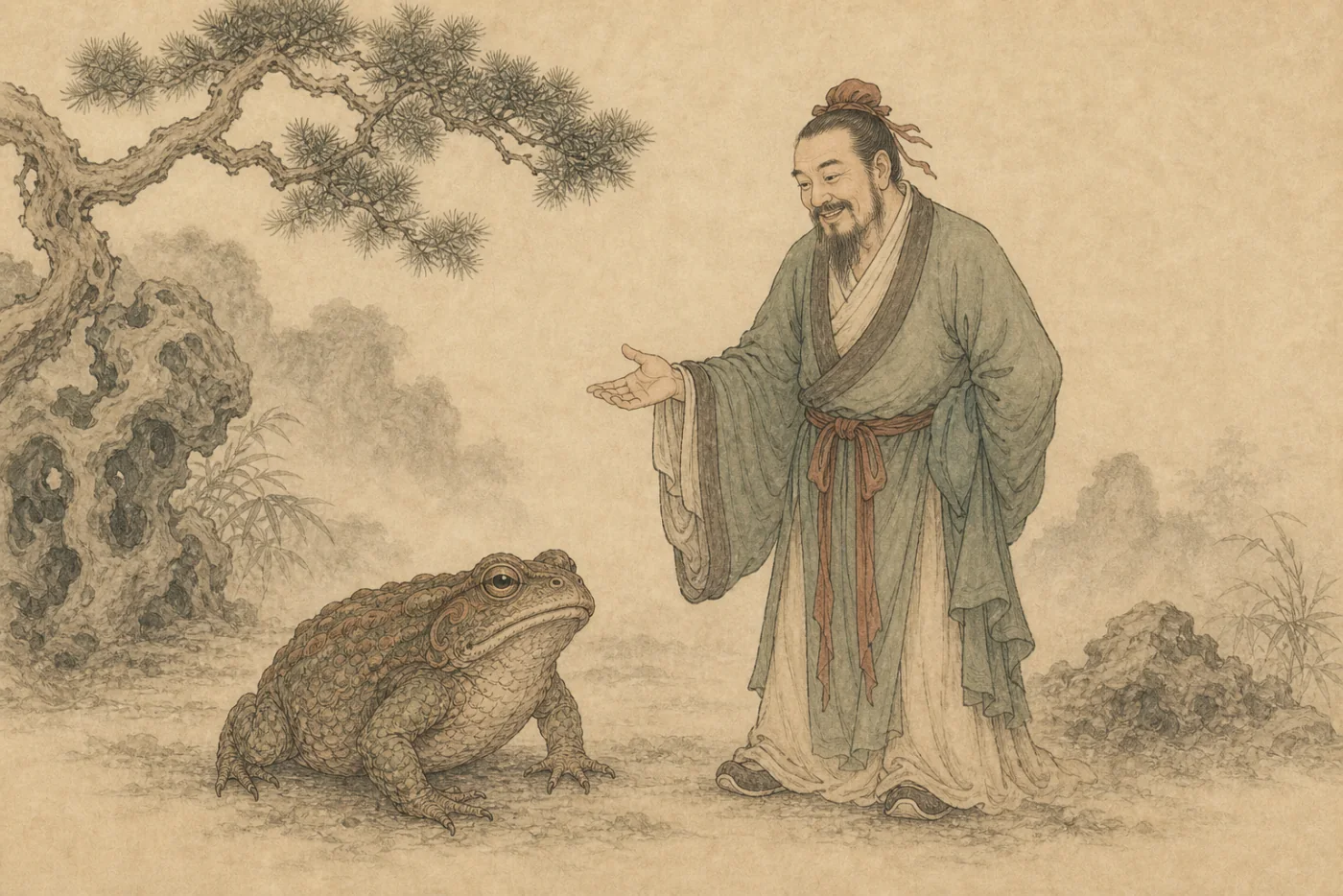
Museum sources show the Daoist immortal Liu Hai with a toad and describe the toad as a popular symbol of good fortune. The three-legged toad became part of Liu Hai’s iconography in later Chinese visual culture.
This documented connection is more precise than treating every toad figure as a generic financial tool. A modern carving may use additional motifs, but those details should be described from the individual object and its photographs. They should not be added to a historical explanation unless a source supports them.
Pixiu as a mythical guardian
The National Museum of Natural Science describes Pixiu as a mythical tomb-guardian beast. Its documented ceramic example is winged and has a tiger- or lion-like face. That object provides a clear visual and historical point of reference.
Later Pixiu traditions include ideas of seeking good luck and warding off evil. These associations help explain the figure’s modern popularity, but they remain cultural meanings rather than product functions.
Visible differences to inspect
The most reliable distinction begins with subject type. The Money Frog is a toad, and the three-legged form belongs to its later iconography with Liu Hai. Pixiu is a mythical beast. In the museum example it is winged and has a feline-looking face.
Do not assume that every commercial object repeats one exact pose or set of accessories. Use the listing gallery to inspect the actual carving. Look at the front, side, back and base when those views are provided. Confirm dimensions in inches and centimeters and check whether the material and production wording is verified.
If a seller names a wood species, age or production method, that information needs records. Color and grain alone are not enough. When the species is unconfirmed, Wood is the accurate material description.
Museum sources support the cultural comparison; they do not authenticate a modern product. A current listing still needs its own evidence for material, dimensions, finish and production process. Keeping those two evidence layers separate prevents a historical description from being used as proof for an unrelated object.
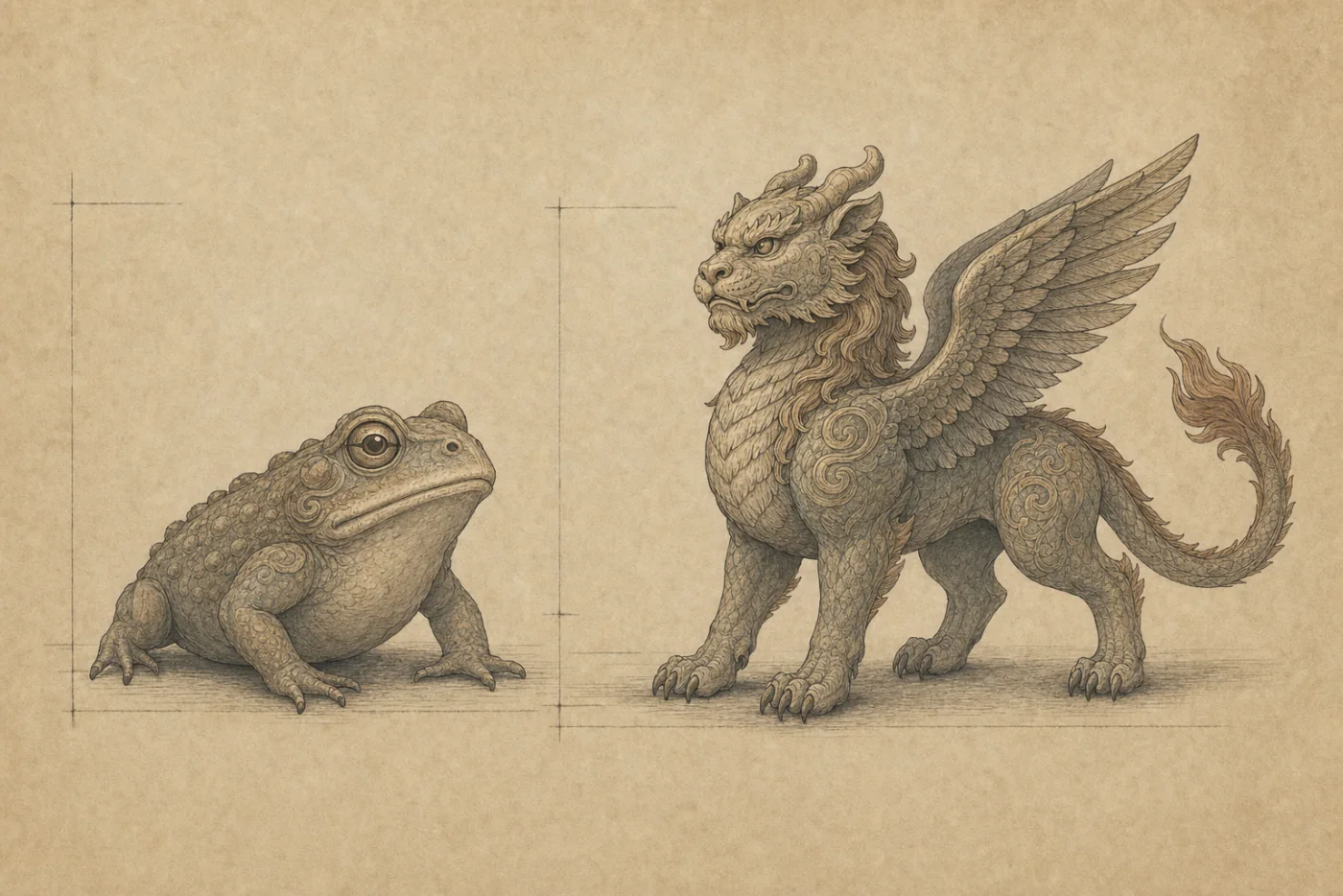
Read the body, leg arrangement and any object-specific accessories from the actual listing.
Look for the face, wings, stance, tail and base shown by the actual object.
How modern symbolism differs
Money Frog and Pixiu are distinct figures. Modern prosperity associations are cultural interpretations and do not determine financial results. A person may still choose one as a decorative reminder of a personal value or interest, but the reason for choosing should not be presented as a measurable effect of the object.
The toad’s documented connection is with Liu Hai and good-fortune symbolism. Pixiu’s documented background begins with a guardian-beast context, followed by later traditions around good luck and warding off evil. Keeping those histories separate produces a more useful comparison.
Neither figure controls prosperity, protection or spiritual outcomes. The comparison explains cultural associations and visible form; it does not predict a result.
Placement customs without promises
Detailed placement instructions found in modern sources can vary. Pixiu orientation advice belongs to custom and personal practice rather than one universally binding rule. The same caution should be used when reading fixed rules for a Money Frog.
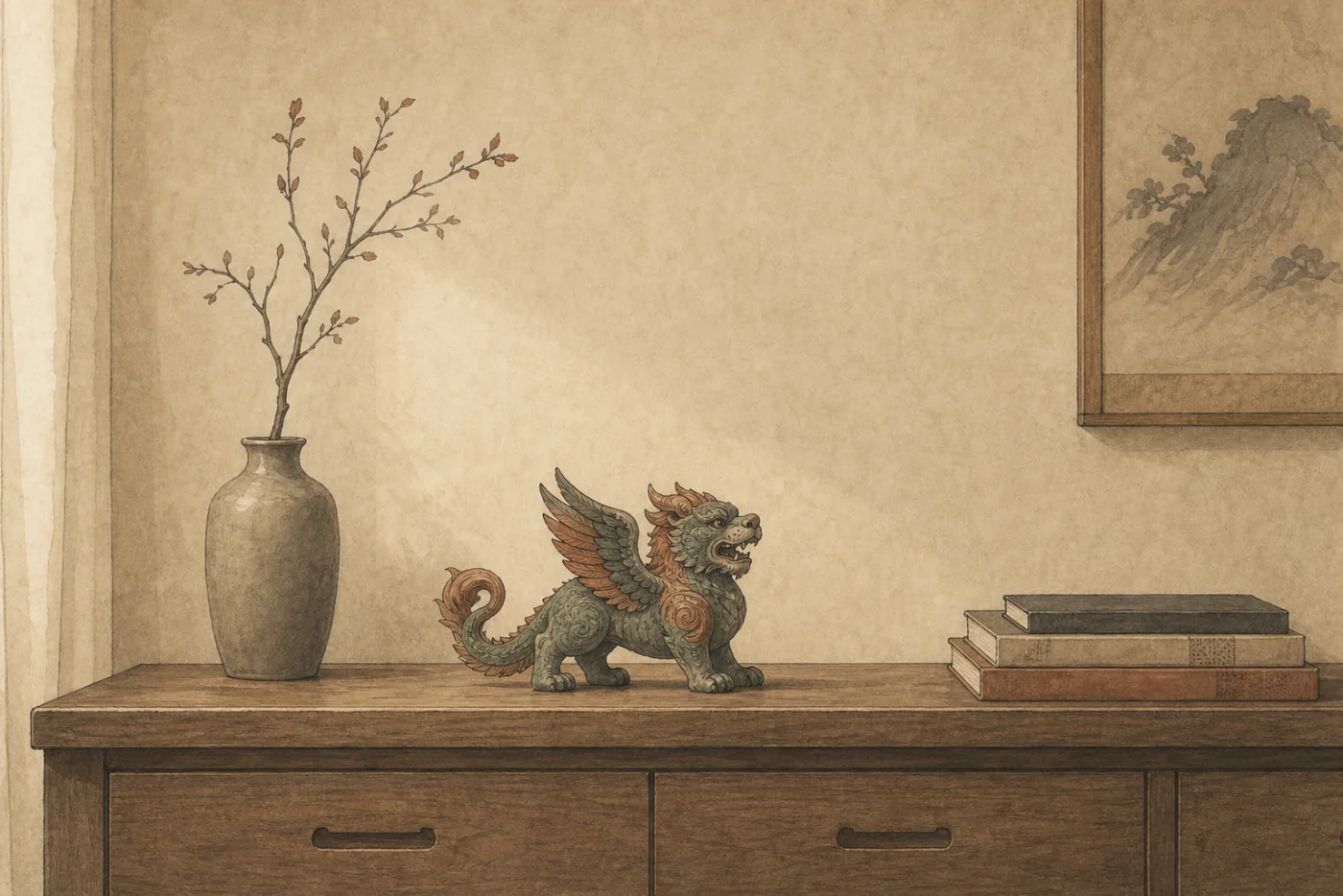
A practical display decision can focus on the object’s verified size, stable support, visibility and protection from direct heat, moisture or accidental impact. Someone following a particular religious, family or feng shui practice should use the guidance of that specific tradition rather than assuming a product page represents every custom.
Which figure fits your purpose?
Choose the Money Frog if the Liu Hai and toad tradition is the subject that interests you. Choose Pixiu if you prefer the visual language and guardian-beast background of a mythical animal. If the decision is primarily decorative, compare pose, scale, finish and the space where the object will be displayed.
Carvzen does not currently create a false Money Frog or Pixiu product link for this guide. The current Shop shows the objects actually available. Each item and its packaging are checked before shipment; current dispatch and resolution terms remain on the formal policy pages.
Current product pages remain the source for each object’s real gallery, listed measurements, material wording, price and availability. This comparison explains two different cultural subjects; it does not make them interchangeable or promise a financial result.
Frequently asked questions
Are Money Frog and Pixiu the same figure?
No. The Money Frog is a toad connected with Liu Hai. Pixiu is a mythical guardian beast.
Why are both connected with prosperity?
Later custom associates both with forms of good fortune, but the historical and visual backgrounds are different.
Which one has three legs?
The three-legged toad belongs to the later iconography associated with Liu Hai.
Can either object determine wealth?
No. Prosperity associations belong to cultural interpretation; the object does not determine a financial outcome.
Sources and further reading
Current objects
Compare the two subjects in current objects.
The Money Toad and Pixiu remain different figures. Use each product page to inspect the actual gallery, listed measurements, material wording and visible finish. Symbolic associations are not promised results.