Read the figure.Inspect the object.
Evidence-based guides to Chinese cultural figures, visible iconography, placement customs and the practical details that help a reader compare a carving.
Cultural context,
made useful.
Begin with the subject, then use the product page to check the actual object, dimensions, finish and available views.
-
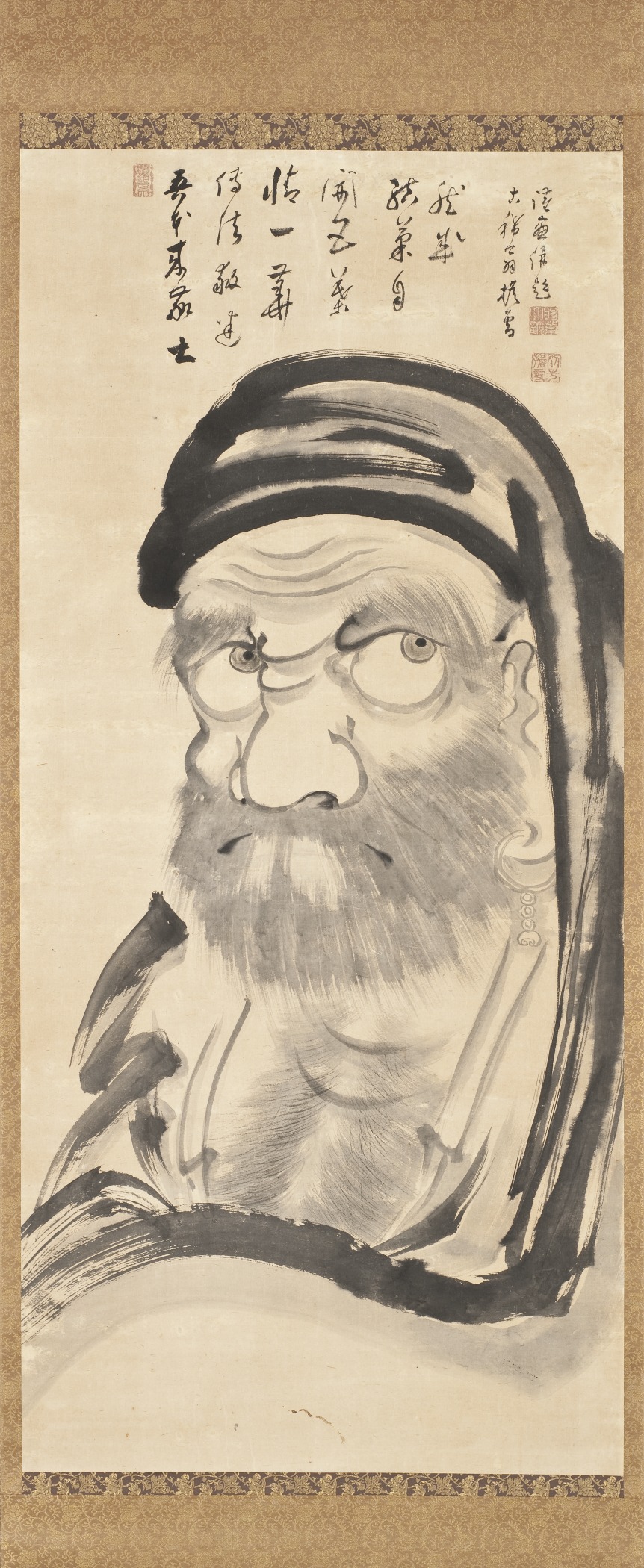
Bodhidharma Meaning: History, Legends and Statue Forms
Buddhism & Deities · Cultural Guide Bodhidharma Meaning: History, Legends and Statue Forms A wide-eyed monk, a wall-facing meditator, a Daruma doll and a Shaolin legend can all point to Bodhidharma—but they belong to different layers of history. This guide separates early records from later stories and shows how to read a Bodhidharma statue without…
-
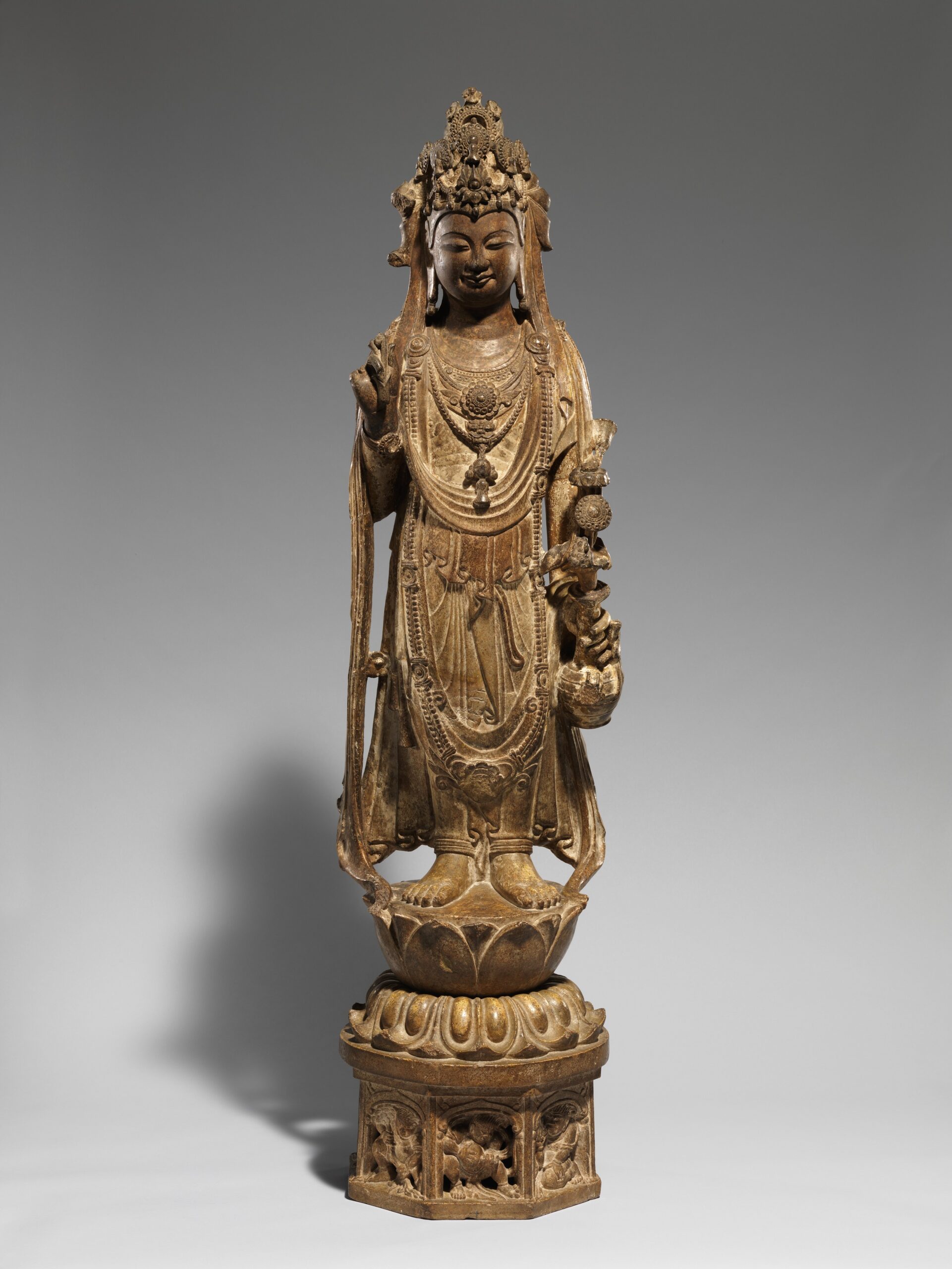
Guanyin or Buddha? How to Recognize Guanyin in Chinese Art
A museum-sourced visual guide to distinguishing Guanyin from Buddha images through clothing, crowns, Amitabha figures, attributes, posture and documented context.
-
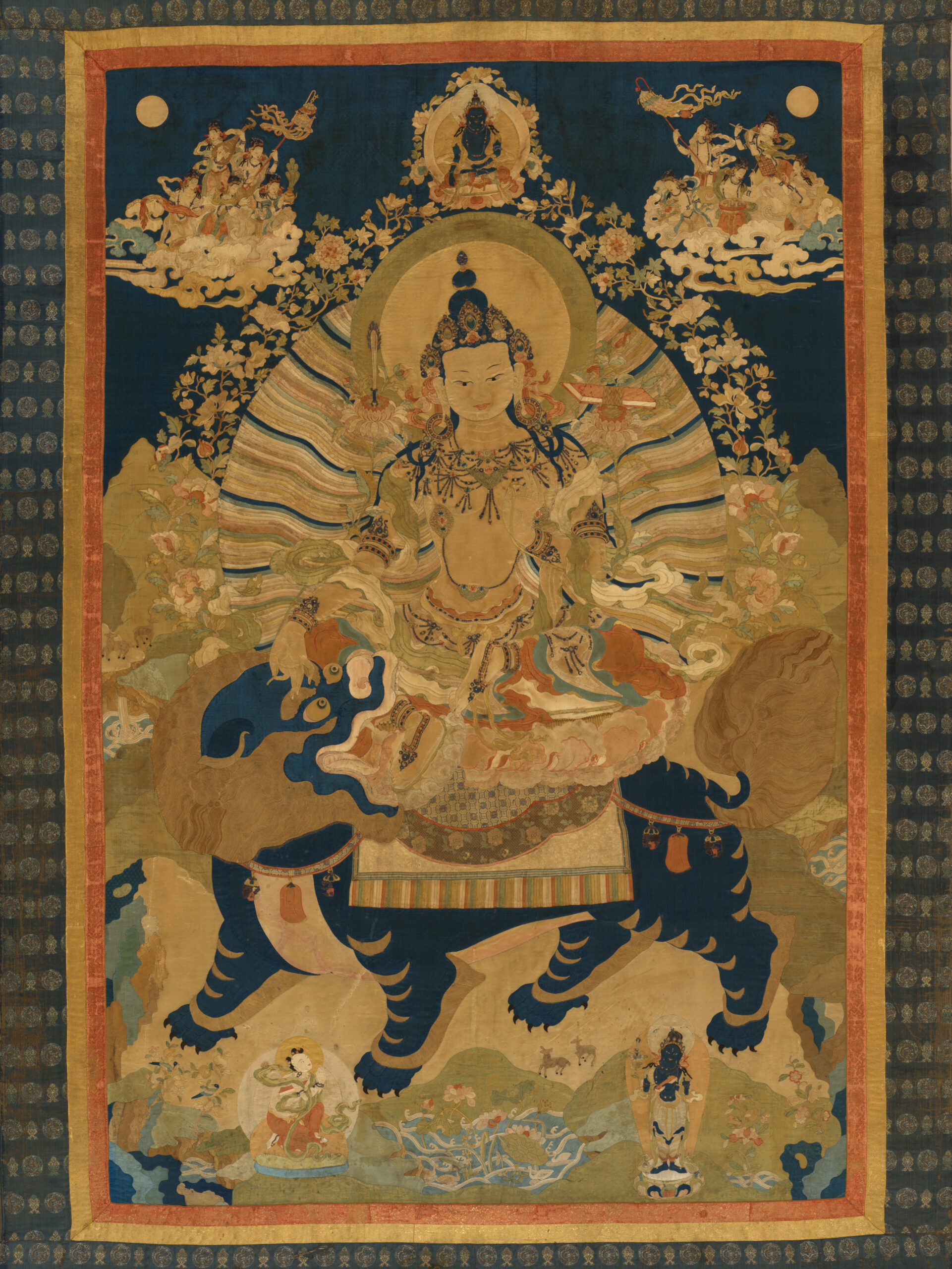
Manjushri Meaning: Wisdom Sword, Lotus and Statue Forms
Buddhism & Deities · Cultural Guide Manjushri Meaning: Wisdom Sword, Lotus and Statue Forms Manjushri is a major Mahayana bodhisattva associated with wisdom, but his images do not follow one universal template. This guide explains the sword, book, lotus and lion, then separates Indian, Tibetan, Chinese and Japanese forms so that a statue can be…
-
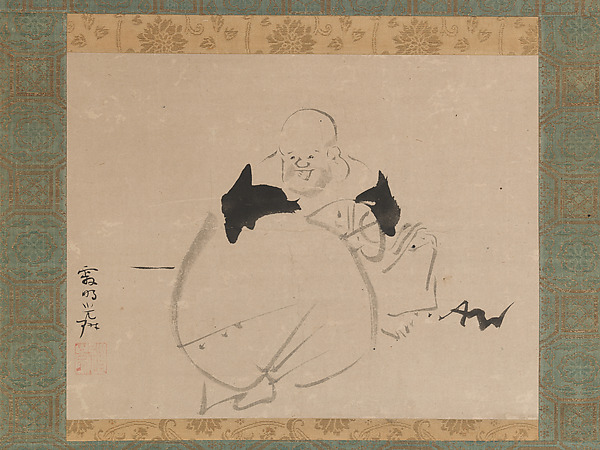
Maitreya vs. Laughing Buddha: History, Meaning and Statue Forms
A source-led guide to Maitreya, Budai, the Laughing Buddha and Hotei, with visual clues for distinguishing their common statue forms.
-
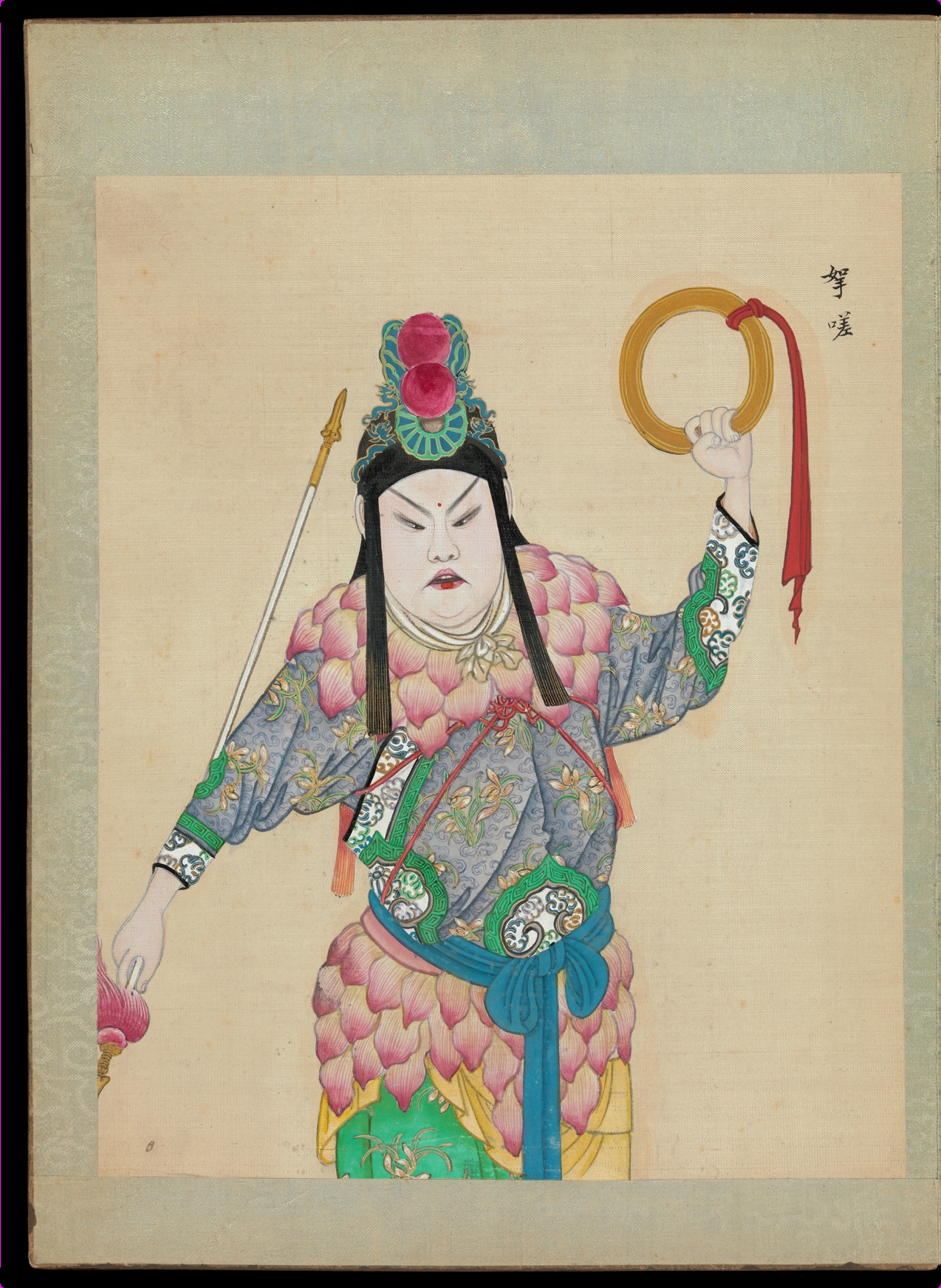
Nezha Meaning: Third Lotus Prince, Symbols and Statue Forms
A source-led guide to Nezha’s historical layers, lotus-body story, familiar symbols, statue forms and modern adaptations.
-
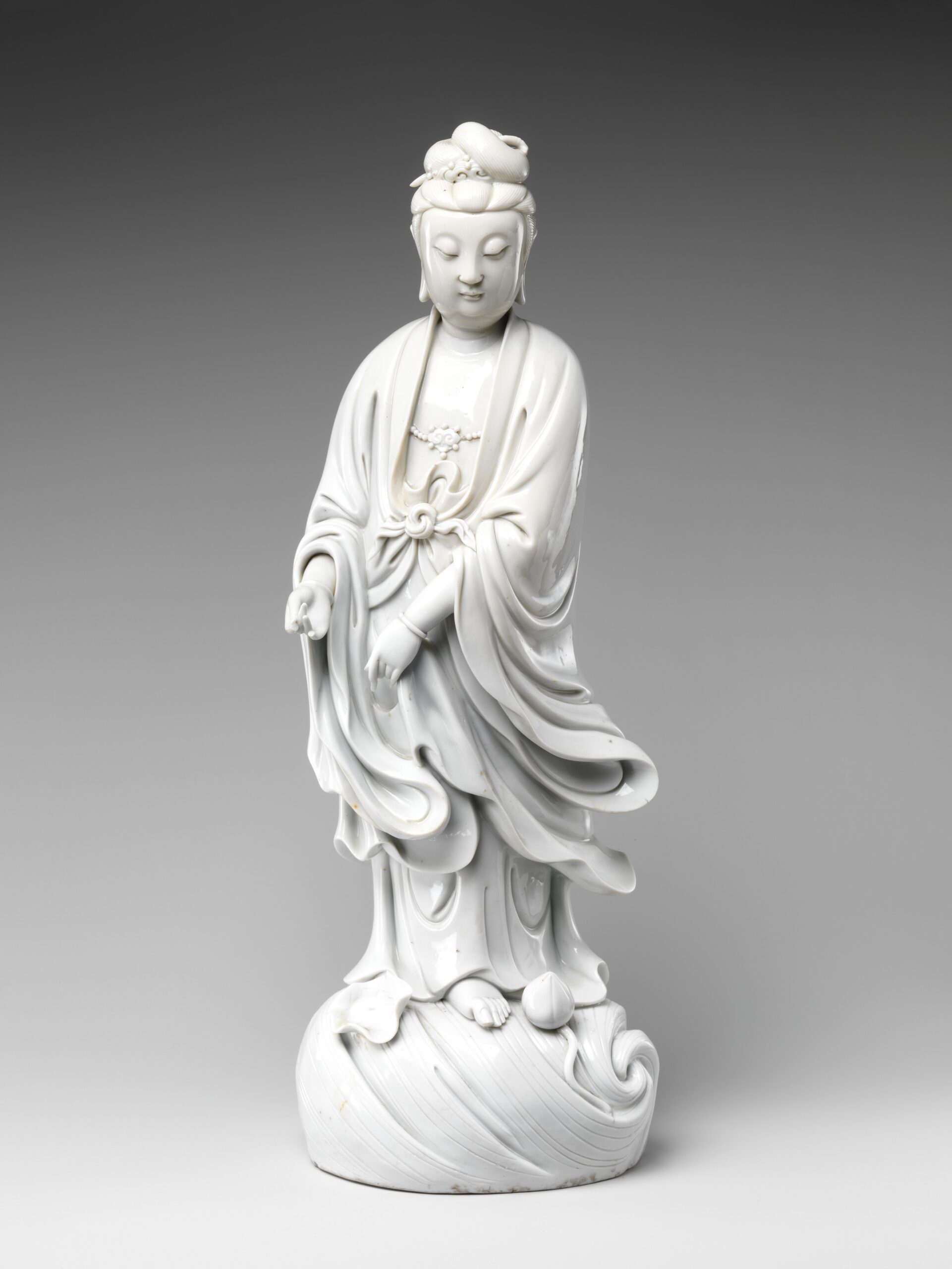
Guanyin Meaning: Avalokiteshvara, Symbols and Statue Forms
Learn who Guanyin is, how Guanyin relates to Avalokiteshvara and Kannon, why statue forms vary, and what a modern Guanyin statue can—and cannot—establish.
-
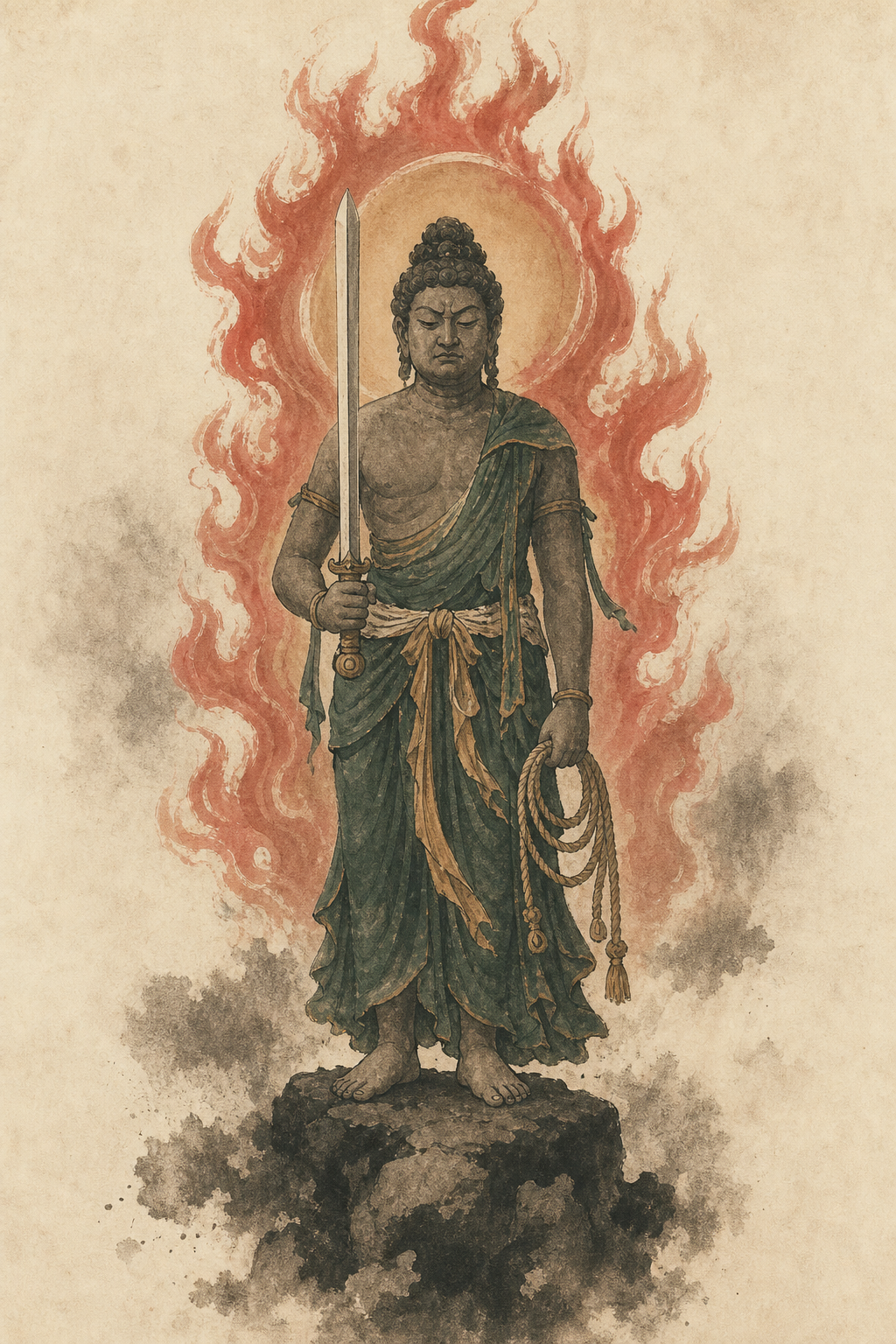
Fudo Myoo Statue Meaning: Symbols, History and Buying Checks
A cultural guide to Fudo Myoo, also called Acala or Budong Mingwang: history, visual attributes and careful buying checks for current statues.
-
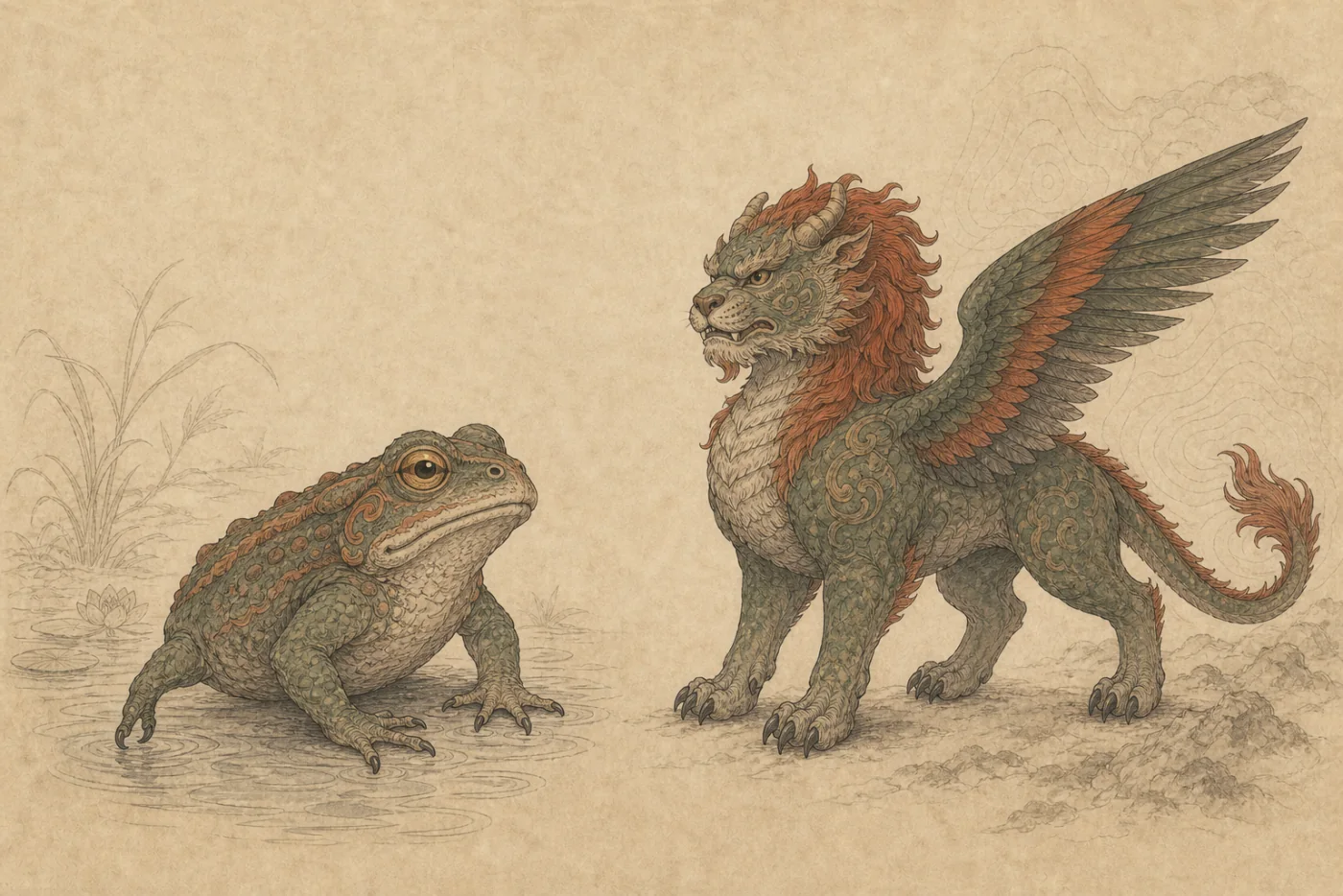
Money Frog vs. Pixiu: Meanings and Visible Differences
Compare Money Frog and Pixiu by documented background, visible form and the limits of modern prosperity symbolism.
-
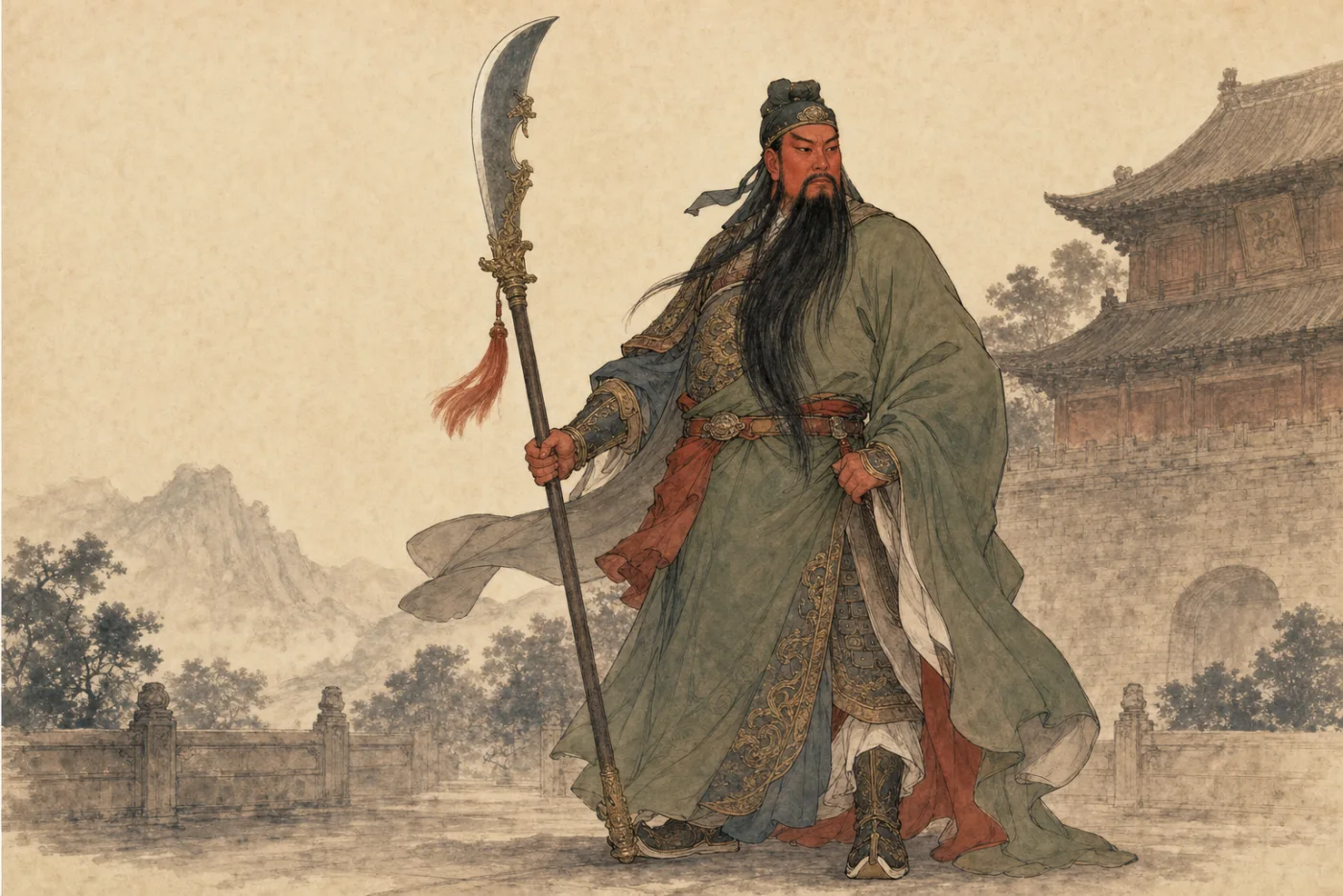
Guan Gong Statue Meaning: History, Symbols and Placement
Guan Gong statues can be read as devotional figures, cultural objects or reminders of loyalty and integrity. Learn the history, visible symbols and limits of placement advice.