Feng Shui Pixiu Statue: What Sources Say and Where They Disagree
Head direction, one horn or two, which rooms to avoid, whether to “activate” it: popular feng shui advice on Pixiu statues is repeated with great confidence. Set side by side, it does not agree with itself. This guide compares the claims and explains how to decide without treating any of them as a guarantee.
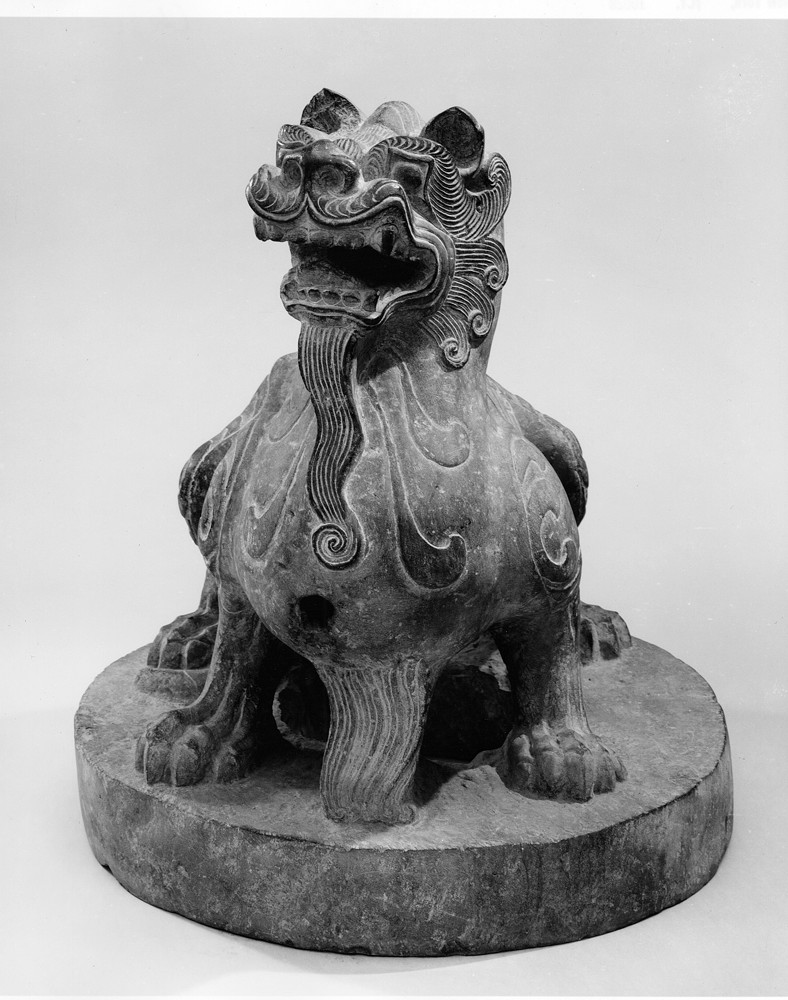
There is no single correct feng shui placement for a Pixiu statue. Popular sources agree that the head should face a door or window, but they contradict each other on the bedroom, on male and female forms and on what one horn or two horns mean, and the pages we reviewed do not cite historical sources for their placement rules. Treat the advice as modern custom and personal practice, and choose a location for practical reasons first.
For the cultural and museum background on Pixiu, including the documented tomb-guardian object, read our guide to Pixiu statue meaning and placement. This article picks up where that one stops, with the feng shui claims themselves.
What “feng shui Pixiu” advice usually covers
Most popular guides answer the same handful of questions: which way the head should face, which rooms and spots to avoid, what one horn and two horns mean, whether there is a male and a female Pixiu, and whether the statue must be “opened” or “activated” before use. Each has a common answer online. Each also has at least one competing answer.
Where popular sources agree, and where they don’t
We compared two popular guides, one from Stellar Chinese and one from Your Chinese Astrology. Their answers on the main questions are set out below.
One source: place it on a stable surface with the head facing a door or window. The other agrees, then adds that the head should not face a bed, mirror, fish tank or Buddha statue.
One source says many traditions avoid bathrooms and the foot of a bed. The other says the statue should not be in the bedroom at all.
One source does not treat it as a reliable rule. The other describes the male as Pi with the head turned left and the female as Xiu with the head turned right.
Both give the one-horn tianlu and two-horn bixie names. One warns that museums, historical objects and modern shops do not use this split consistently, so horn count is not an authenticity test. The other notes Pixiu is now usually made with two horns.
One source describes a consecration ritual called “opening the light” (开光, kāiguāng) and says not every owner does it. The other describes no activation ritual.
Three things stand out. The sources contradict each other on details such as the bedroom and the male/female distinction. Even the source that repeats the tianlu and bixie story warns that real objects do not follow it consistently. And the pages we reviewed do not point to historical texts for the placement rules; they read as modern custom, not a system handed down unchanged. That does not make the advice worthless. It means it is advice from people, not a rule of nature.
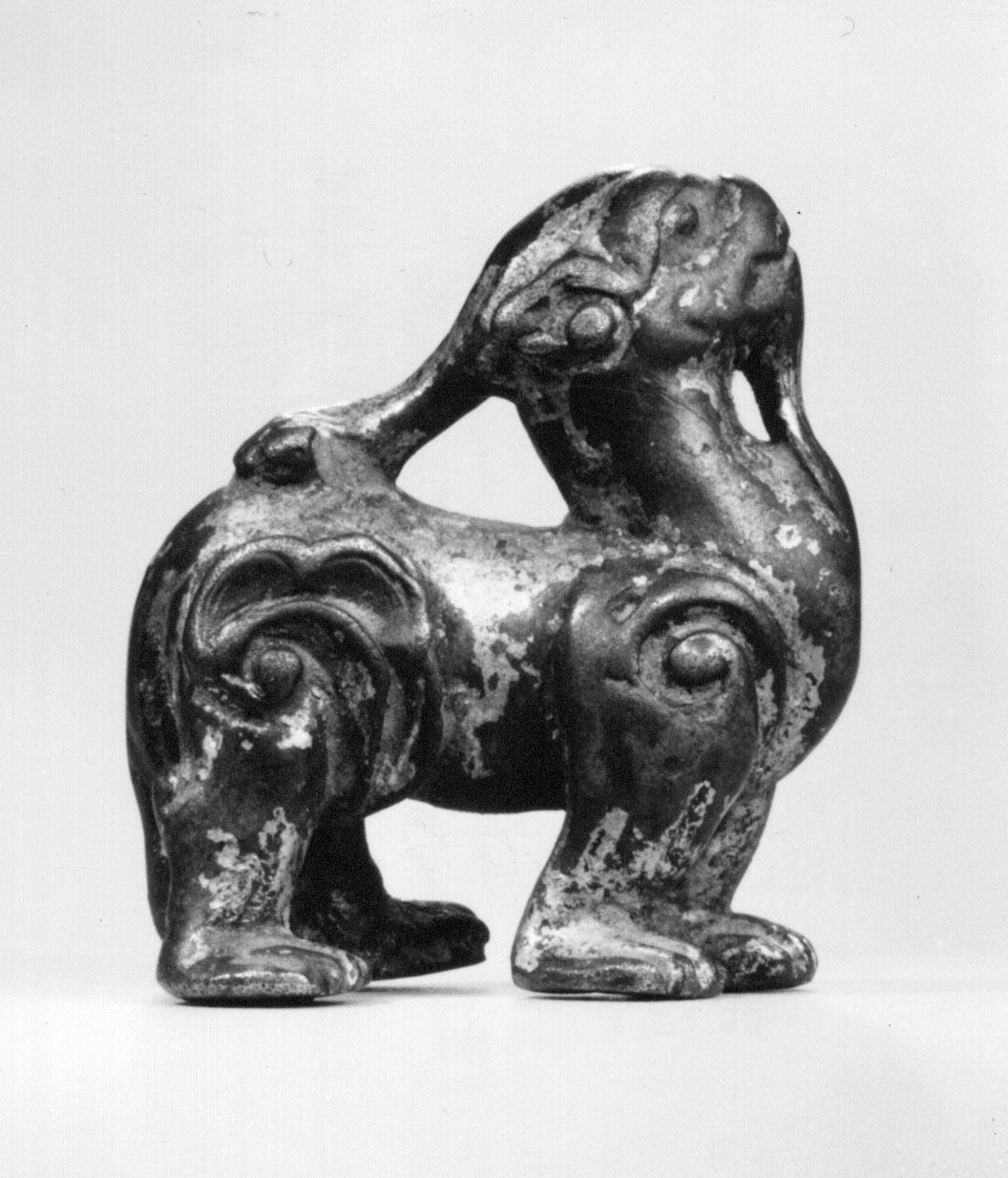
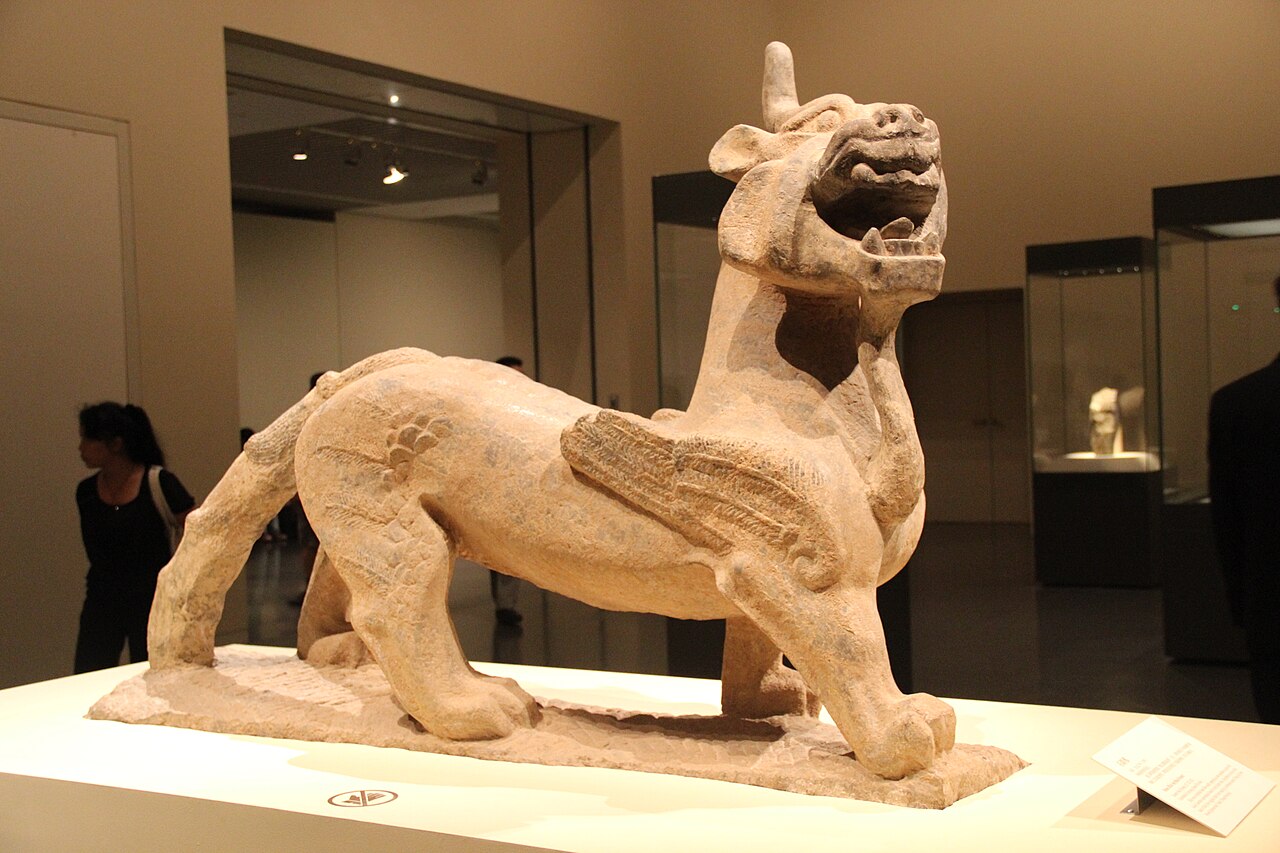

What the tradition can reasonably tell you
The safest reading is the one our existing guide gives: Pixiu is a mythical beast, documented in a museum object as a tomb guardian, and later traditions link it with good luck and warding off evil. Those are cultural meanings. They describe what people have associated with the figure; they do not describe something a statue does.
When a page says a Pixiu will “draw money,” “guard the home” or “harm you” if placed the wrong way, that is a claim about outcomes. A decorative object does not determine prosperity, safety or spiritual results, and we do not describe our products that way.
If you do want to follow a placement custom
Plenty of buyers like the ritual of placing a figure with intention, and there is nothing wrong with that. A few practical points make the choice easier.
- Pick one source and stay consistent. Because the advice conflicts, mixing rules from several sites produces contradictions. If you follow a religious or family practice, take guidance from that tradition rather than from a product page.
- Choose the location for practical reasons first. Facing a door or window is popular and harmless. Common spots include living rooms, home offices, reception desks and shop counters.
- Protect the object. Use a stable surface, keep it away from direct heat and moisture, and make sure it cannot be knocked over.
- Don’t buy on horn count or head direction alone. A listing that presents either as proof of authenticity is overstating.
- Treat activation as personal. “Opening the light” belongs to specific religious practice. If you are not part of a tradition that does it, you are not missing a required step.

How to buy a Pixiu statue with clear eyes
Because the symbolism is loose, the buying decision should rest on things you can check: photographs from several angles including the base and back, verified dimensions in inches and centimetres, accurate material wording, and a shipping and returns policy written down before checkout. If a wood species has not been verified, an honest listing says only “wood,” and cultural explanation should stay separate from product facts.
We apply the same standard to ourselves. Carvzen currently lists two Pixiu pieces, both described as brass: the Pixiu Brass Statue (3.9 in / 10 cm) and the Pixiu Brass Incense Burner Sculpture (6.3 in / 16 cm). Their product pages carry the photographs, measurements and material wording, and those, not this guide, are what to rely on. We do not describe either as bringing wealth or protection.
Frequently asked questions
Is there one correct place to put a Pixiu statue?
No. Popular advice conflicts, and the pages we reviewed do not cite historical sources for their rules. Treat placement as personal or family custom.
Should a Pixiu face the door?
Facing a door or window is the most commonly repeated suggestion. It is a modern custom, not a universal rule, and some sources add further conditions.
Is there a difference between male and female Pixiu?
Some sources describe one, based on which way the head turns. Others do not treat it as a reliable rule.
Does one horn or two horns matter?
Some traditions name a one-horned form tianlu and a two-horned form bixie. Museums and modern makers do not apply the split consistently, so treat it as background, not a rule.
Does a Pixiu need to be activated?
Some people perform an “opening the light” ritual. Not every owner does, and buying a statue does not oblige you to.
Can a Pixiu statue bring wealth or protection?
That is a claim about outcomes that a decorative object cannot promise. The figure has cultural meaning; it does not control results.
Sources and further reading
- Stellar Chinese: Pixiu meaning, wearing rules and buying guide
- Your Chinese Astrology: Pi Xiu
- The Metropolitan Museum of Art: Chimera, object 63.224.1 (CC0)
- The Metropolitan Museum of Art: Chimera (Bixie), object 18.56.10 (CC0)
- Wikimedia Commons: Eastern Han Stone Bixie; Eastern Han Stone Bixie – 3; Jade Bixie, Han. Photos by Gary Todd (CC0)
- Carvzen: Pixiu Statue Meaning and Placement, including the National Museum of Natural Science reference
The article uses two credited images from The Metropolitan Museum of Art collection (CC0) and three CC0 museum photographs by Gary Todd. They are historical collection objects, not Carvzen products. The comparison covers two popular guides and is not a survey of all feng shui teaching.
A current carving
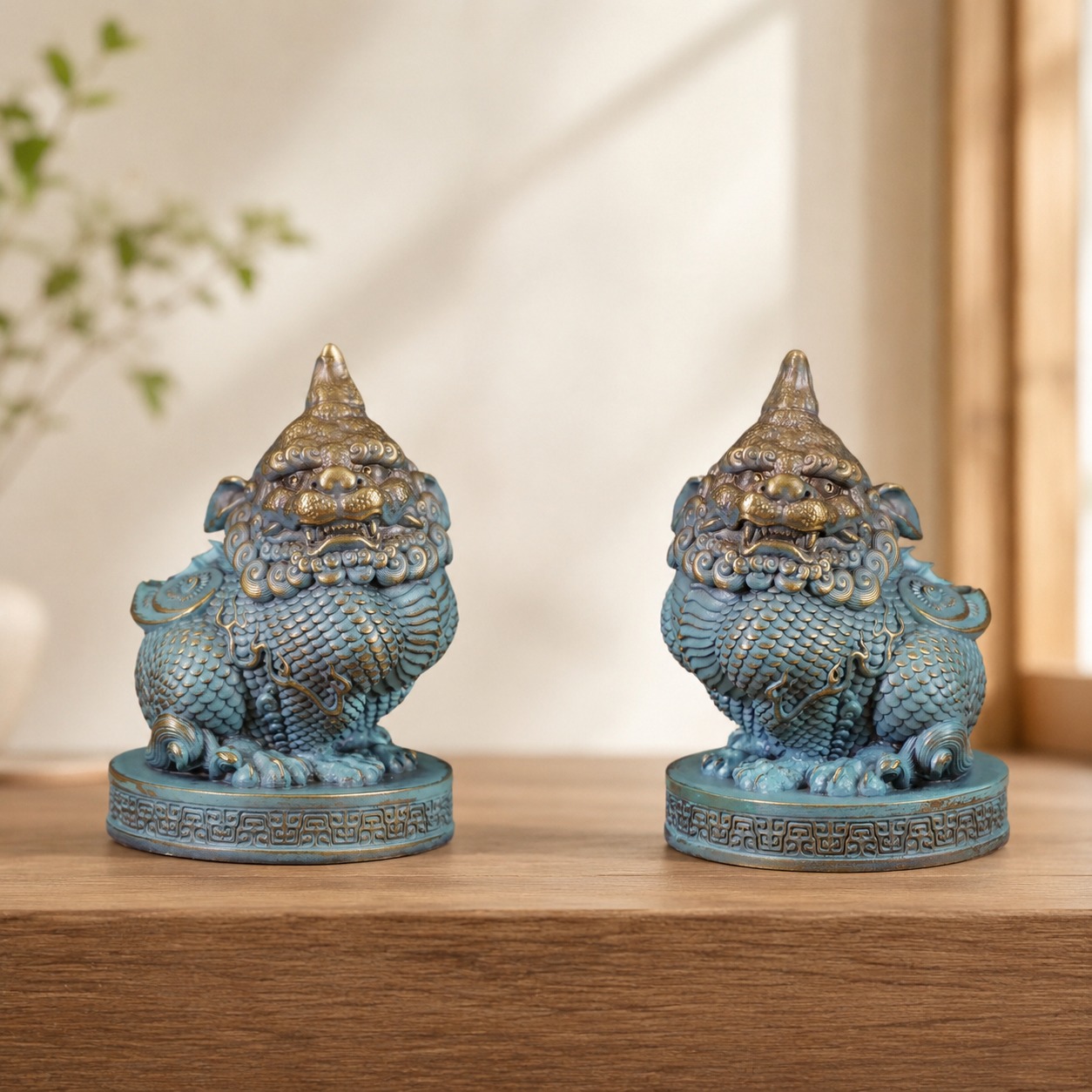
Pixiu Brass Statue
Explore a current Pixiu piece through its real product gallery and listed facts. The cultural background in this guide is context, not a promise of outcomes.
View current gallery